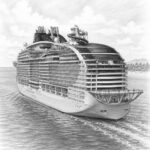
What should you actually expect on MSC World Europa? Expect a genuinely huge, modern European megaship built around seven themed districts, a mostly international crowd, a week of long Mediterranean port days, and a set of choices — chiefly which MSC “Experience” you book — that shape your holiday far more than the ship’s headline attractions do. She is one of the most advanced cruise ships afloat, powered by liquefied natural gas, and she runs like a floating slice of a European city more than a resort at sea. This guide walks through the scale, the feel, a typical day, what’s included versus what costs extra, and the handful of things that catch first-timers off guard.
Everything in this article and far more, deck by deck, in The Ultimate Guide to Sailing on MSC World Europa.
Get the book →The scale and the seven districts
MSC World Europa is big in a way that’s hard to picture from photos. She measures around 216,000 gross tons, carries more than 5,000 guests, and stands roughly 20 decks tall. She was the ship that launched MSC Cruises’ flagship World Class, and the whole design brief was to make a vessel this size feel navigable rather than overwhelming. The answer was to split her into seven themed districts, each with its own character, so that instead of one endless corridor of venues you move between distinct neighbourhoods.
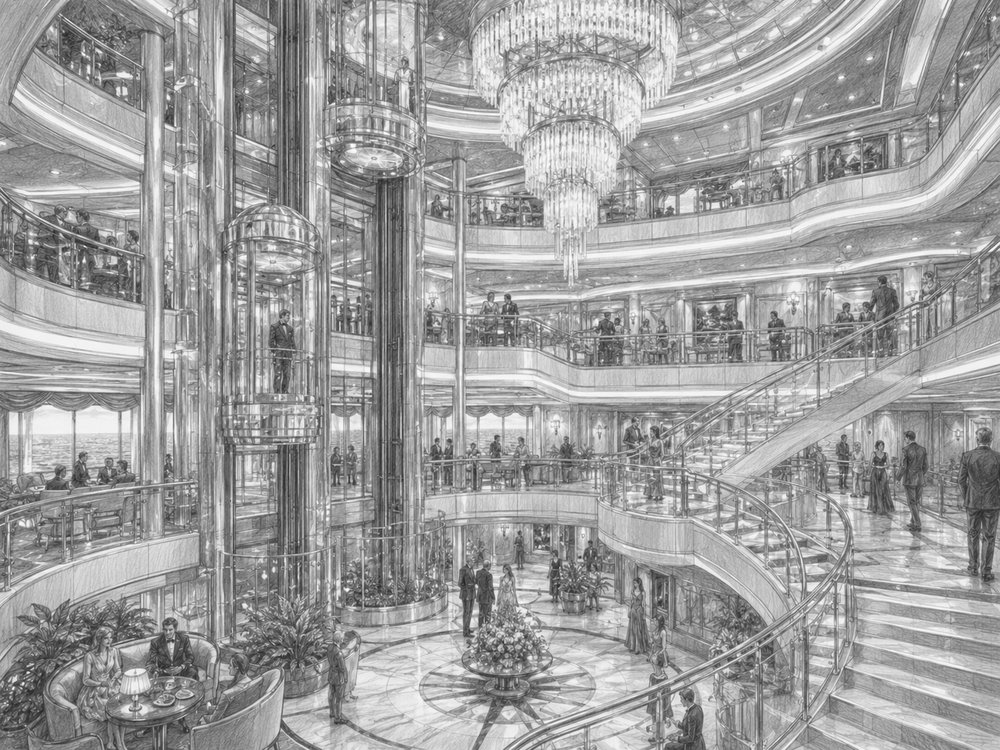
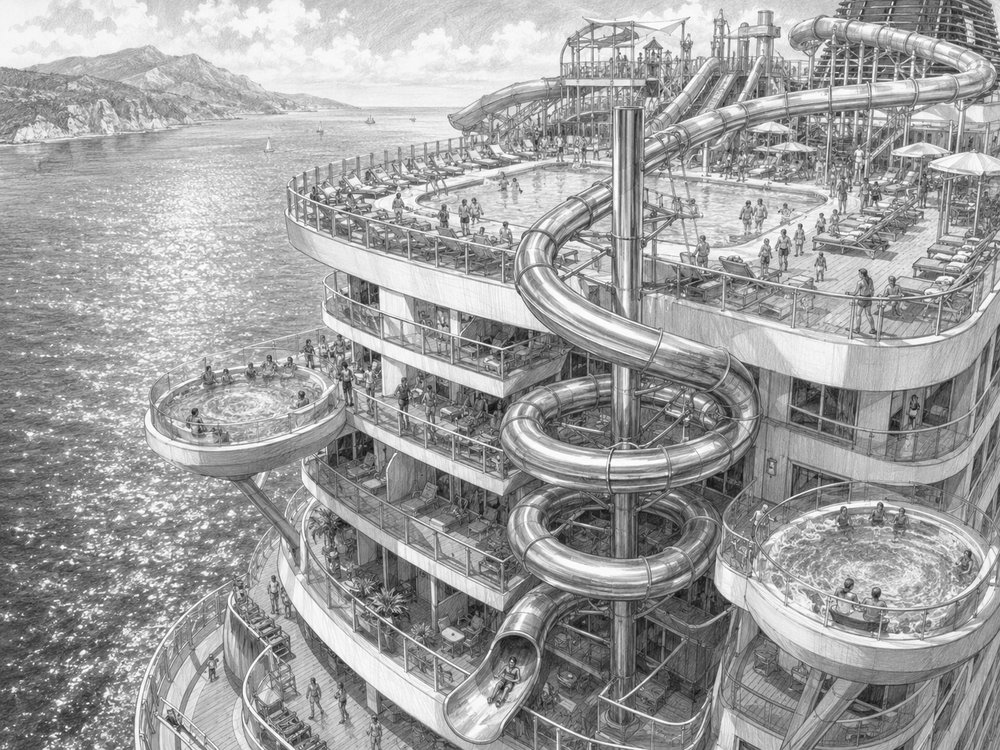
The heart of the ship is the World Promenade, a lively indoor-outdoor main street that runs along the vessel and opens to the sea at the stern. This is where you’ll find shops, bars, casual food, and the record-setting Venom Drop dry slide plunging down through several decks. Forward of that sits the Galleria, a soaring atrium threaded with glass elevators — the kind of central spine every big MSC ship uses as its social crossroads. There’s a dedicated Family District built around children’s spaces and the aquapark, and an adults-only Zen area near the top of the ship with its now-famous cantilevered whirlpools hanging out over the sea.
Then there’s the MSC Yacht Club, a gated ship-within-a-ship at the forward end with its own restaurant, lounge, pool and sun deck. It is physically separated from the rest of the ship, which is exactly the point — it’s the most exclusive way to sail her. Between these named areas and the remaining districts, the ship is designed so you can spend a week aboard and still be finding new corners on the last day. If you want a fuller room-by-room orientation before you sail, the complete MSC World Europa cruise guide maps the layout deck by deck.
The European feel and the international crowd
The single biggest thing to expect — and the thing that surprises guests used to North American cruising — is the atmosphere. MSC is a European line, and MSC World Europa sails the Western Mediterranean out of European home ports, so the passenger mix is genuinely international. On any given week you’ll hear Italian, French, Spanish, German and English shared across the promenade, and announcements are frequently made in several languages. The crowd skews toward European families and couples, with a strong Italian and Continental presence.
Practically, that shapes the vibe in small ways. Dining rooms can feel a touch more formal and later in the evening than some travellers expect. Aperitivo culture is alive at the bars. Kids are very much part of the scene rather than tucked away. The service style is polished and European rather than chatty and casual. None of this is better or worse — but if you arrive expecting a purely English-speaking, American-style ship, recalibrate. You’re on a European ship doing a European itinerary, and leaning into that is most of the fun. First-time MSC guests often find the first-time guide to sailing her smooths out the early-day learning curve.
A typical day on a port-intensive Med week
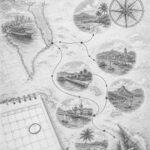
MSC World Europa currently sails a seven-night Western Mediterranean loop, and the defining feature of that week is how port-intensive it is. She typically calls at Barcelona, Marseille, Genoa, Naples, Messina for Taormina, and Valletta in Malta — some of the greatest cities in Europe, back to back. Several of those ports double as embarkation ports, so depending on your sailing you might board in Barcelona, Genoa or elsewhere. Always confirm exactly where you board and the precise ports for your week in the MSC for Me app, because the pattern varies.
Because there are so few sea days, a typical day looks less like lounging by the pool and more like a city break with a hotel that moves overnight. You wake up already docked, head ashore for a full day, and return in the evening. Port days are long, and that’s a gift — but you have to start early to use them. Here’s the rhythm many guests settle into:
- Early breakfast at the buffet or in your dining room, then off the ship soon after doors open.
- A full day exploring: the Sagrada Família and Gaudí’s Barcelona, Notre-Dame de la Garde above Marseille’s Old Port, Genoa’s old town and aquarium, Pompeii and the Amalfi Coast from Naples, clifftop Taormina and its Greek theatre from Messina, and St. John’s Co-Cathedral and the Grand Harbour in Valletta.
- Back aboard by late afternoon or early evening for a shower, an aperitivo, and dinner.
- Evenings for the theatre, live music across the districts, the casino, or a quiet whirlpool over the sea.
The trade-off is real: you get extraordinary sightseeing, but you spend less time enjoying the ship in daylight than you would on a Caribbean-style itinerary. If seeing Europe is the goal, that’s exactly right. If you wanted lazy sea days, this particular itinerary isn’t built for them. A good compromise on tired legs is to skip one shorter port and enjoy the ship while it’s near-empty — the pools, slides and whirlpools are at their calmest when everyone else is ashore. For squeezing the most out of each stop, the ports and excursions guide lays out what’s walkable versus what needs a tour.
Dining: what’s included and what costs extra
Expect a clear split between included dining and paid specialty venues, and it’s worth understanding before you sail so you don’t feel nickel-and-dimed. Your fare covers the main dining rooms and the buffet. The main dining rooms serve a multi-course menu each evening on an assigned or flexible schedule depending on your booking, and the buffet runs generous hours for casual meals. On a European ship the buffet leans Continental — expect strong coffee, fresh bread, cured meats and cheeses, pasta and pizza done properly.
The specialty venues cost extra and are where MSC World Europa flexes. The headliner is the Chef’s Garden Kitchen, a restaurant developed with a Michelin-starred chef that puts a genuinely refined menu at sea. Alongside it you’ll find a sushi and teppanyaki spot for Japanese dining and knife-work theatre, a steakhouse for a classic special-occasion dinner, and a taqueria for a more casual Mexican night. None of these are required — you can eat very well for a week on the included venues alone — but they’re the meals people remember, and booking the popular ones early through the app is wise.
| Included with your fare | Costs extra |
|---|---|
| Main dining rooms (multi-course dinners) | Chef’s Garden Kitchen (Michelin-starred chef) |
| The buffet, generous hours | Sushi and teppanyaki venue |
| Casual daytime bites | Steakhouse |
| Room-service breakfast on some Experiences | Taqueria |
One European quirk to expect: dining times can run later than you’re used to, and the main dining room may operate fixed seatings depending on the Experience you book. If you like an early, flexible dinner, choose an Experience that gives you dining flexibility — more on that below.
Entertainment, bars and the casino
Evenings aboard are lively without being frantic. Expect theatre productions with the polished, music-and-movement style MSC favours — often lighter on dialogue, which suits the multilingual audience. Around the districts, live music spills out of the bars: piano, jazz, pop covers, and the buzz of the promenade at night. There’s a casino for those who want it, and it draws a crowd in the evenings.
The bar scene is one of the ship’s real pleasures, and it’s where the European feel shines. Aperitivo hour is taken seriously; a spritz on the promenade as the ship pulls out of port is a nightly ritual for many guests, and the sail-away from a harbour like Naples or Valletta turns an ordinary drink into a small event. Bars each have their own character across the districts, so bar-hopping is a legitimate evening plan. Drinks are not included by default — you’ll want to understand the drinks packages, covered in the surprises section — but the variety and the setting are excellent. For a longer list of ways to get more out of the evenings and the venues, the MSC World Europa tips guide is worth a read.
The thrills: Venom Drop, the aquapark and the Zen whirlpools
MSC World Europa carries a few genuine showpieces, and they’re worth expecting so you can plan around the queues. The headline thrill is the Venom Drop, a record-setting dry slide that spirals down through multiple decks from the top of the World Promenade. It’s fast, it’s a rite of passage aboard, and it draws a line at peak times — so go early or late rather than mid-afternoon.
For families, the aquapark brings a cluster of waterslides and water play, and it becomes the natural gathering point on the rare warm sea-day afternoon or when guests stay aboard in port. And in the adults-only Zen district, the cantilevered whirlpools hang out over the side of the ship, so you soak with nothing but open Mediterranean beneath and beside you. Those over-sea whirlpools are one of the most photographed features on the ship for good reason — sunset in one of them, wine glass in hand, is a genuine highlight. They can fill up, so a slightly off-peak visit pays off.
The LNG and greener angle
One thing that sets MSC World Europa apart is what powers her. She runs on liquefied natural gas, a cleaner-burning fuel than the heavy marine oil traditional ships use, and she was built as one of the most advanced vessels afloat with that greener profile front of mind. For most guests this is invisible day to day — you won’t notice the fuel — but it’s a meaningful part of her identity and a fair reason to feel a little better about the footprint of your holiday. If sustainability factors into how you choose a cruise, it’s a genuine point in her favour rather than marketing gloss: LNG propulsion is a real, physical feature of the ship, not an add-on.
The MSC for Me app and how Experiences shape the trip
Two things run your holiday behind the scenes: the MSC for Me app and the Experience you booked. Get comfortable with both and the week goes smoothly.
The MSC for Me app is your daily command centre. It holds the schedule, deck plans, restaurant and show bookings, your account balance, and the port information for each day. On a ship this size, trying to navigate without it is a mistake — download it, connect it before you sail, and lean on it to reserve specialty dining and shows early. It’s how you’ll confirm exactly where you board and what time you’re due back on the ship each evening.
The Experience decision
Here’s the part first-timers most often miss: on MSC you don’t just book a cabin, you book a cabin and an Experience. The Experience is a bundle that determines your fare, how much cabin choice you get, dining flexibility, perks, and priority. From most affordable to most exclusive:
- Bella — the entry Experience and lowest fare. MSC assigns your cabin’s exact location; you get standard inclusions. Great value if you don’t mind where your room lands.
- Fantastica — you choose your cabin and dining preference, get room-service breakfast, extra loyalty points, and more flexibility. The sweet spot for most guests.
- Aurea — premium, with the best-located cabins, priority boarding, thermal spa access, and often a drinks package included.
- Yacht Club — the private ship-within-a-ship: suites with a 24-hour butler and concierge, a private restaurant, lounge and bar, a private pool and sun deck, and premium all-inclusive drinks.
Exact inclusions vary by sailing and promotion, so always confirm the current details before you book. The key takeaway: the Experience you pick changes your holiday as much as the cabin does. If dining flexibility and choosing your own room matter, don’t book Bella just to save a little. A deeper breakdown lives in the MSC Experiences guide, which is the single most useful thing to read before you commit.
What might surprise a first-timer
A few things routinely catch newcomers off guard on MSC World Europa. None are dealbreakers, but knowing them in advance turns friction into non-issues.
Experiences aren’t optional
As above, the biggest surprise is that the Experience tier is part of every booking. Guests who don’t realise this sometimes book the cheapest fare, then wonder why they can’t choose their cabin or dining time. Understand the tiers first.
Drinks packages and gratuities
Drinks are not included by default. There are drinks packages ranging from soft drinks to premium alcohol, and buying one before you sail is usually cheaper than paying drink by drink — worth it if you enjoy a few aperitivos and wine with dinner. Separately, daily gratuities are automatically added to your onboard account for the crew. This is standard, but it’s a line item some guests don’t expect, so budget for it. Wi-Fi is also a paid plan rather than a freebie.
Dining times and the pace
European dining runs later, and depending on your Experience you may have a fixed dinner seating rather than turn-up-whenever flexibility. If you want an early dinner after a long port day, choose an Experience with dining flexibility or plan to eat at the buffet on tired evenings.
Long port days demand an early start
The Med itinerary is a sightseeing marathon. Port days are long but the cities are enormous, so lie-ins cost you real time on the ground. The guests who love this itinerary are up early, off the ship promptly, and treat the days ashore as the main event. Choosing the right room helps you rest well between them; the best cabins guide covers which locations give you the steadiest, quietest sleep.
Get the complete MSC World Europa playbook
Want every district, Experience tier, dining venue and port day mapped out with clear action steps? “The Ultimate Guide to Sailing on MSC World Europa” is part of the Ultimate Ship Guides series by Leo Sotropa, giving you a chapter-by-chapter plan so you board knowing exactly how to spend your week.
Frequently asked questions
Is MSC World Europa good for first-time cruisers?
Yes, with one caveat: understand the MSC booking model first. She’s a modern, well-designed ship with strong dining and family facilities, but the Experience tiers and the port-intensive Mediterranean pace are unlike a beginner-friendly Caribbean sea-day cruise. Read up on the Experiences, download the MSC for Me app, and you’ll settle in quickly.
What language is spoken on board?
English is used throughout, but MSC is a European line with a genuinely international crowd, so you’ll hear Italian, French, Spanish and German among guests, and announcements are often made in several languages. Staff speak English, and you’ll have no trouble being understood — just expect a multilingual, Continental atmosphere.
Are meals included on MSC World Europa?
The main dining rooms and the buffet are included with your fare, and you can eat very well all week without spending extra. Specialty venues cost more — the Chef’s Garden Kitchen by a Michelin-starred chef, a sushi and teppanyaki spot, a steakhouse, and a taqueria. Book the popular ones early in the app.
Do I need to book excursions in advance?
Port days are long but the destinations are big, so planning ahead pays off. Some sights are walkable from the port; others, like Pompeii or the Amalfi Coast from Naples, really need a tour or a well-organised independent plan. Confirm each day’s exact times in the app and start early — lie-ins cost you real sightseeing.
What is an MSC Experience and which should I choose?
An Experience is the fare bundle you book alongside your cabin — Bella, Fantastica, Aurea or Yacht Club — and it sets your cabin choice, dining flexibility and perks. Bella is cheapest but MSC assigns your room; Fantastica lets you choose cabin and dining and suits most guests; Aurea adds premium perks; Yacht Club is the private, all-inclusive suite enclave. Confirm current inclusions before booking.
Are drinks and gratuities included?
Not by default. Drinks packages are sold separately and are usually cheaper bought before you sail than paying per drink. Daily gratuities are added automatically to your onboard account for the crew, and Wi-Fi is a paid plan. Budget for these so there are no surprises on your final bill.
Is MSC World Europa really more environmentally friendly?
She’s powered by liquefied natural gas, a cleaner-burning fuel than the heavy oil traditional ships use, and she was built as one of the most advanced vessels afloat with that greener profile in mind. You won’t notice it day to day, but the LNG propulsion is a real, physical feature of the ship rather than marketing — a fair point in her favour if sustainability matters to you.
Ready for the whole ship in one place? It is all in The Ultimate Guide to Sailing on MSC World Europa.
Get the book →
Meet Leo: The Heartbeat Behind ‘A Country A Month’
Journeying through the pages of A Country A Month, you might often feel the rhythm of a storyteller’s heartbeat, pulsating through each line, each image, and each adventure shared. That heartbeat belongs to none other than our remarkable website editor, Leo.
With a lens in one hand and a pen in the other, Leo seamlessly marries his passions for photography and writing. His eye captures moments that words can barely describe, yet his eloquence brings those images to life, transcending borders and connecting us all through shared stories. An avid traveler, every country he’s visited has added another chapter to his expansive tale, and through our platform, he generously shares these chapters with us.