A Panama Canal cruise guide really comes down to one question: what is the transit day actually like, and how do you make the most of it? Unlike a normal port stop, you never step ashore for the canal itself — the ship is the experience. You spend the day slowly threading one of the great engineering feats on the planet, watching the vessel get lifted between oceans by nothing more exotic than fresh water and gravity. The best way to spend that day is simple: get up early, find a good rail, keep water in your hand, and stay outside for the locks.
What a Panama Canal day is like
First, a distinction that trips up a lot of cruisers. Many cruise ships do a partial transit: they enter from the Caribbean side, climb the Gatún locks, cross Gatún Lake, then turn around and come back out the way they came. Others do a full ocean-to-ocean crossing, all the way from the Caribbean to the Pacific (or the reverse). A partial transit gives you the marquee locks and the lake, while a full transit is a bucket-list, one-direction passage between two oceans. They are not the same, so check your specific sailing in your cruise line’s app — the day’s timing, and whether you finish where you started, depends on which one your ship is doing.
A Panama Canal cruise is also not a simple closed-loop itinerary. These sailings typically string together several countries and ports across the Caribbean and Central America, so the canal day usually sits in the middle of a longer voyage. That matters for packing and pacing — you are dressing for a warm, humid, tropical corridor near the equator, and the canal day is the one where you will want to be on deck for hours.
The engineering and history, briefly
The canal cuts across the narrow isthmus of Panama, connecting the Atlantic and Pacific and saving ships the huge detour around South America. It was one of the largest construction projects ever attempted, built at brutal human cost through jungle, mountain, and disease before it opened early in the twentieth century. Rather than digging a sea-level ditch, the engineers dammed a river to create a huge inland lake and used a staircase of locks to raise ships up to it and lower them back down on the other side.
That inland lake is Gatún Lake, for years one of the largest man-made lakes in the world. Your ship spends a good chunk of the day floating across it, surrounded by rainforest shorelines and small green islands. The “canal” is not really a canal in the ditch sense — it is a water elevator strung between two oceans.
How the locks lift the ship
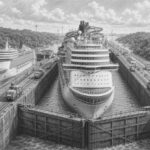
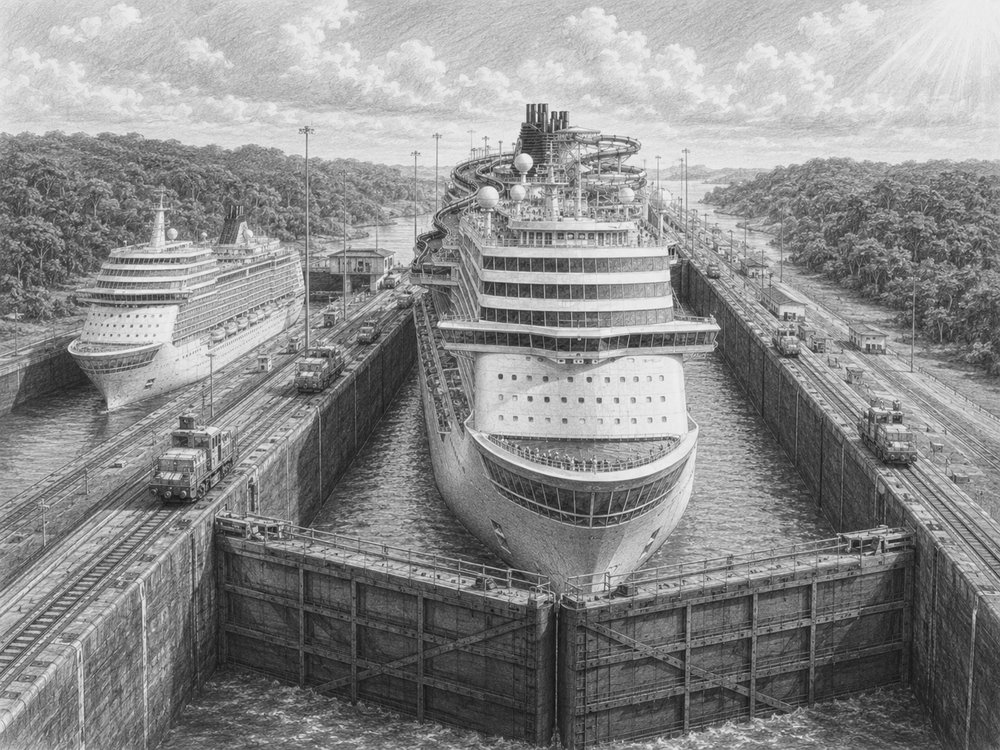
The part everyone comes for is the Gatún locks. Coming in from the Caribbean side, your ship is raised roughly 85 feet in a series of lock chambers to reach the level of Gatún Lake. Here is the elegant bit: there are no pumps forcing the ship upward. Water flows downhill by gravity from the lake into the chamber your ship sits in, and as the chamber fills, the ship rises with it. Once the water matches the next chamber up, the gates open and the ship moves forward. Repeat, and you have climbed the equivalent of an eight-story building on fresh water alone.
Watch for the details that make it real: the massive gates swinging shut behind you, the small locomotives (often called “mules”) that run along the walls to keep large ships centered, and the narrow margin between your hull and the concrete walls. Big cruise ships fit these chambers with only a few feet to spare on each side. If your ship does a partial transit, you get to do the whole lock sequence twice — once climbing in, once climbing back out.
Best viewing spots on the ship
Because you never leave the ship, where you stand is the whole game. A few spots consistently beat the rest:
- Forward decks and the bow. The front of the ship gives you the head-on view of the gates opening and the chamber ahead. Some ships open a normally off-limits forward or bow area for the transit — if yours does, that is the prime seat in the house.
- An open promenade or wraparound deck. A deck along the side of the ship lets you look straight down at the lock walls, the mules, and the waterline as the ship rises.
- A Magic-Carpet, Solarium, or top-deck open space. Any high, open lounge or platform gives you elevation and a wide view over the locks ahead and the lake beyond.
- Your own balcony. A balcony is a private, shaded, front-row rail with a chair — the most comfortable seat for the long stretches. The trade-off is you only see one side, so plan to move around for the locks.
The single most useful piece of advice: be up early. Ships usually approach the first locks around dawn, and the best light and the biggest crowds both arrive with it. Stake out a spot before breakfast, then rotate as the day goes on.
Onboard narration, heat, and wildlife
Listen to the narration
Most lines bring a local canal expert or historian aboard for the day to narrate the transit over the ship’s outdoor speakers. It is worth listening to — they explain each lock as it happens, point out landmarks and history, and tell you what is coming next. If the narration is also on your stateroom TV, you can duck inside to cool off without missing the story.
Respect the sun, heat, and humidity
Panama sits close to the equator, and the canal day is hot, intensely humid, and often glaringly sunny with little breeze while the ship sits still in the locks. This is the day people underestimate. Wear a hat and sunglasses, use sunscreen and reapply it, and drink water constantly — far more than you think you need. Claim some shade for the long lake stretch, and step into an air-conditioned lounge between the locks. Sudden tropical downpours are also normal, so pack a light rain layer.
Watch for wildlife on Gatún Lake
The crossing of Gatún Lake is the calm, scenic counterpart to the drama of the locks. The shorelines and islands are thick rainforest, and patient watchers are often rewarded — you may spot birds, and with luck a crocodile, monkey, or other wildlife along the banks. Bring binoculars; the animals are usually distant. This is also the stretch where a shaded balcony or lounge chair earns its keep.
Is there a port call too?
Some Panama Canal sailings pair the transit with an actual port stop — commonly Colón on the Caribbean side or a call near Panama City on the Pacific side — where you can go ashore for excursions to the visitor centers, the rainforest, or the old city. Others treat the canal purely as a scenic sea day. Which one you get depends on your itinerary, so check whether your sailing includes a Panama port call and, if it does, book any canal-area excursion early since they sell out. Either way, the canal day itself is spent aboard.
Because the canal usually sits inside a longer multi-country voyage, it pairs well with nearby ports. A common companion on the Caribbean side is the colonial old town of Cartagena, Colombia, while sailings that continue to the Pacific often include the beaches and cliffs of Cabo San Lucas. Read those guides alongside this one to plan the ports that bookend your canal day.
Photography tips for the transit
The canal photographs well but throws a few curveballs. The morning locks give you soft, warm light — get there early for it. Later, the midday sun over the lake is harsh, so shoot with the light behind you. Wide shots capture the scale of the gates and the ship squeezed into the chamber; save your zoom for the mules and distant wildlife. Keep a cloth handy, because humidity fogs lenses when you move between air conditioning and the deck. And put the camera down for at least one full lock cycle — the sensation of a giant ship rising in a concrete box on nothing but water is worth watching with your own eyes.
Cruise ships that transit the Panama Canal
Plenty of ships include a Panama Canal transit on their itineraries. Here are ship guides worth reading if one of these is your vessel:
Frequently asked questions
Does a cruise go all the way through the Panama Canal?
It depends on the sailing. Many cruises do a partial transit — in through the Gatún locks, across Gatún Lake, and back out the same way — while others do a full ocean-to-ocean crossing. Check your itinerary in your cruise line’s app to see which one you booked.
How high does the ship get lifted?
On the Caribbean side, the Gatún locks raise the ship about 85 feet in a series of chambers to reach the level of Gatún Lake. The lift is done entirely by fresh water flowing in by gravity — no pumps push the ship up.
What time does the transit start?
Ships generally approach the first locks around dawn, so the day starts early. Stake out a viewing spot before breakfast. Exact timing varies by sailing and canal traffic, so watch the daily program and listen for announcements.
Where is the best place to watch on the ship?
Forward decks and any open bow area give the best head-on view of the locks; an open promenade lets you look down at the lock walls; a high open lounge or top deck gives you scale; and your own balcony is the most comfortable for the long lake stretch. Move around to catch different angles during the locks.
Do I get off the ship during the canal?
Not for the transit itself — you stay aboard all day. Some itineraries add a separate port call near Colón or Panama City where you can go ashore for excursions, but many treat the canal as a scenic sea day. Check whether your sailing includes a Panama port stop.
Will I see wildlife?
Possibly. The crossing of Gatún Lake passes rainforest shorelines and islands where you may spot birds and, with luck, crocodiles, monkeys, or other animals. They tend to be distant, so binoculars help.
What should I bring on deck for the day?
Sun protection is essential: hat, sunglasses, and sunscreen you reapply. Bring plenty of water and drink it, since the day is hot and humid with little breeze in the locks. Add a light rain layer, binoculars for wildlife, and a cloth to wipe your camera lens when humidity fogs it.
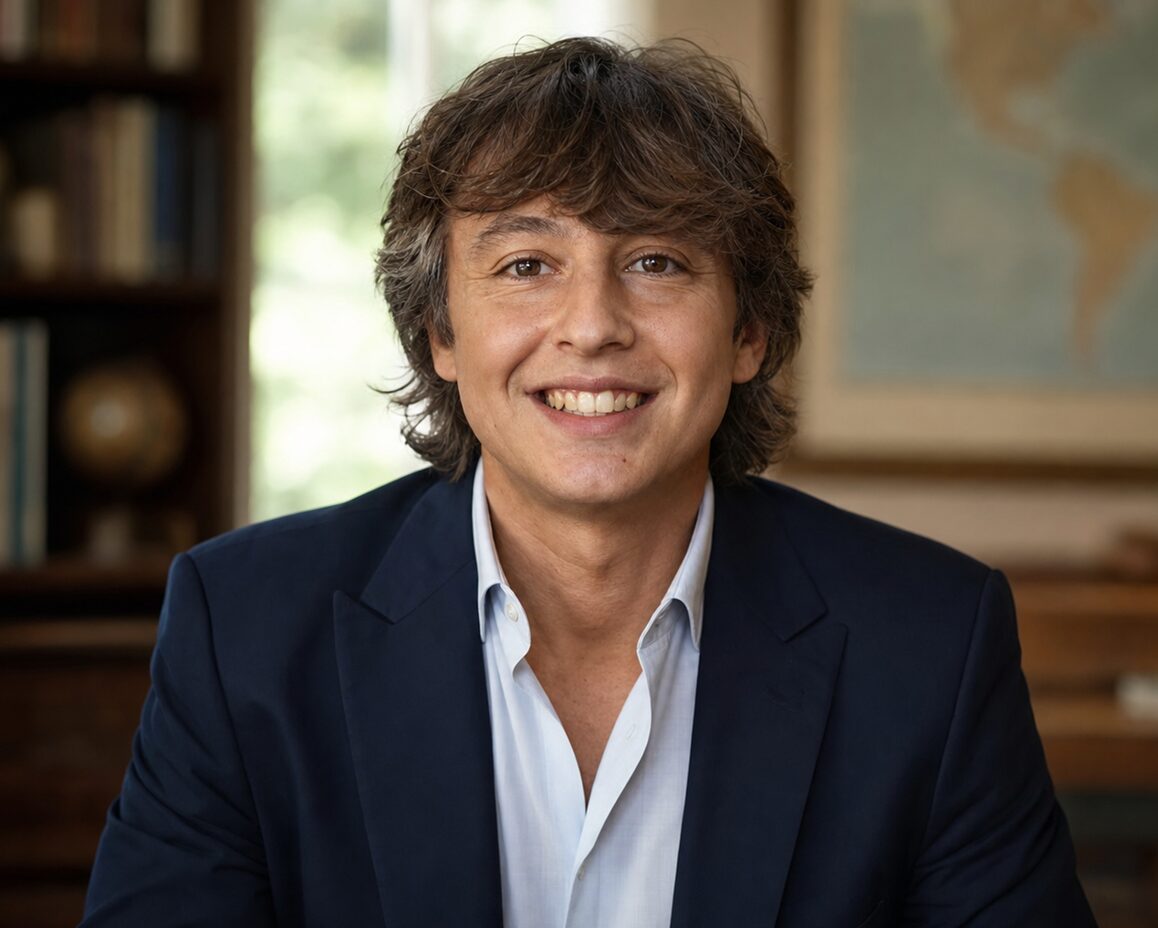
Meet Leo: The Heartbeat Behind ‘A Country A Month’
Journeying through the pages of A Country A Month, you might often feel the rhythm of a storyteller’s heartbeat, pulsating through each line, each image, and each adventure shared. That heartbeat belongs to none other than our remarkable website editor, Leo.
With a lens in one hand and a pen in the other, Leo seamlessly marries his passions for photography and writing. His eye captures moments that words can barely describe, yet his eloquence brings those images to life, transcending borders and connecting us all through shared stories. An avid traveler, every country he’s visited has added another chapter to his expansive tale, and through our platform, he generously shares these chapters with us.