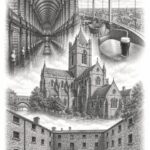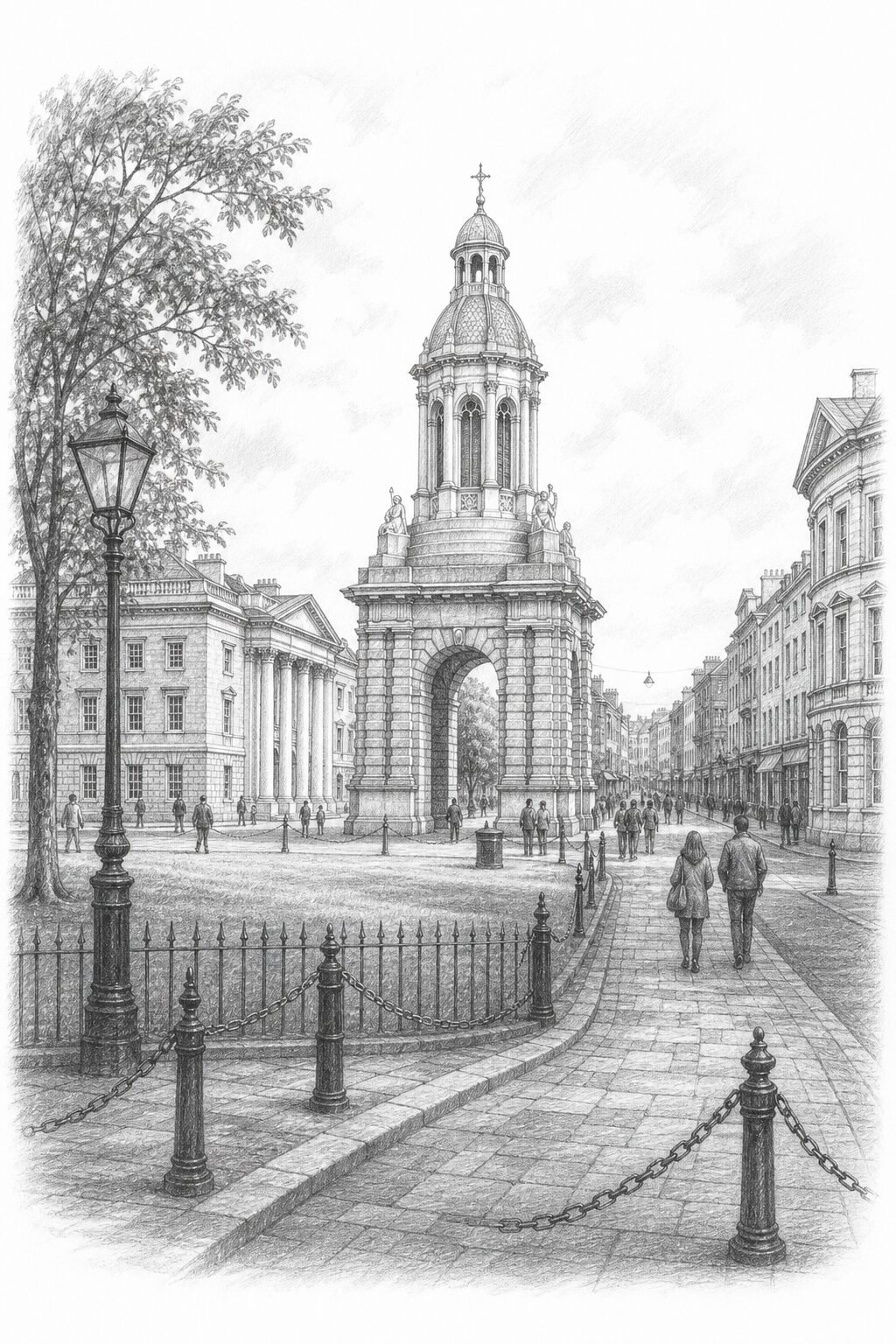
Three days in Dublin is enough for a rewarding first visit when each day stays geographically coherent. This itinerary uses the strongest routes and planning advice from the complete guide, with demanding reservations placed early and enough space left for meals, streets, and the discoveries that make the city memorable.
Use this article with the complete Dublin travel guide, the three-day itinerary, and the where-to-stay guide.
Every city has a short list of things you would regret missing, and Dublin’s is manageable in a way few capitals can claim. This article is that list: the sights people build a trip around, each with the practical truth attached, what it costs, how far ahead to book, when to go, and, where it matters, whether it is honestly worth your money. If you see nothing else in this city, see these; and if one of them is skippable for your particular trip, this article will say so plainly.
One note before you book anything: Dublin’s paid landmarks are not cheap, but several of its very best sights, the National Museum, the National Gallery, and the Chester Beatty among them, cost nothing at all. Spend your money where the experience genuinely needs it, and let the free giants do a lot of the heavy lifting.
Guinness Storehouse
Ireland’s single most visited paid attraction, built inside a former fermentation plant at St James’s Gate, where Guinness has been brewed since 1759. It is, honestly, a branded museum: seven floors walking you through hops, brewing, advertising history, and the pour, and it knows exactly what it is selling. As of this writing, adult tickets run roughly EUR 26 or more booked online off-peak, climbing to EUR 30 to 36 at peak times under dynamic pricing, with children aged 5 to 17 around EUR 10; book online for a timed slot, since walk-up access is not reliable.
The reason this book still tells you to go once: the top-floor Gravity Bar, a 360-degree glass-walled room with a pint of stout included in your ticket, gives you the best panoramic view in the city, free museums included. Go at weekday opening to beat the coach groups, and treat the middle floors as an efficient walk-through rather than a full read of every panel. Allow one and a half to two hours. Verdict: worth it once for the view and the ritual, even for visitors who would rather just drink their pints in an ordinary pub afterward, which, honestly, many Dubliners would recommend anyway.
Book of Kells and the Old Library, Trinity College
A ninth-century illuminated gospel manuscript, one of the most lavishly decorated books to survive from the early medieval world, displayed inside the university’s Old Library alongside the Long Room, a barrel-vaulted hall of dark wood and marble busts holding around 200,000 of the library’s oldest volumes. This is Dublin’s genuine once-in-a-lifetime sight, and this book does not hedge on it. Self-guided tickets start from roughly EUR 26; guided options run from around EUR 65. Book online and take the first available timed slot of the day, both to beat the crowds and because the manuscript display is small and the Long Room gets dense fast in the middle hours.
Allow one to one and a half hours, and do not rush the Long Room itself; it is one of the most photographed library interiors on earth for a reason, and it rewards standing still in the middle of it for a minute longer than feels necessary. Verdict: an unqualified yes, and the sight this book would insist on above all others if a Dublin trip only had room for one paid attraction.
Kilmainham Gaol Museum
A former prison on the western edge of the center, and, by wide agreement among visitors and this book alike, the single most moving historical experience in Dublin. Several leaders of the 1916 Easter Rising, including Patrick Pearse and James Connolly, were executed here, and the tour-only access model means every visitor experiences that history through a trained guide’s narration rather than wandering alone with a leaflet. Adult tickets run about EUR 8, EUR 6 for seniors, EUR 4 for students, and free for children under 12 with a ticket.
The one thing that trips up first-timers: this is a mandatory pre-booked, tour-only site, and it sells out days to weeks ahead in summer. Book the moment your dates are fixed, not the week before you fly. Allow one and a half to two hours. Verdict: do not skip this one, and treat the booking lead time as seriously as this book treats anything.
Dublin Castle
Begun in 1204 on the site of the old Viking fortification, and the seat of British administration in Ireland for more than seven hundred years until 1922. The State Apartments are self-guided for about EUR 8 adult, with reduced rates for seniors, students, and children 12 to 17, and free entry under 12; book up to 15 days ahead, though some walk-up access exists on quieter days. The castle grounds also house the Chester Beatty, a free, internationally significant collection of Islamic, East Asian, and European manuscripts regularly rated among Europe’s finest small museums, and well worth pairing with your castle visit. Allow one to one and a half hours for the State Apartments, choose a weekday and check that no state event is scheduled, and add the Chester Beatty if you have any interest in illuminated manuscripts or simply want a genuinely underrated hour indoors.
Christ Church Cathedral and St Patrick’s Cathedral
Dublin’s two great medieval cathedrals sit a short walk apart in the Liberties, and both trace their roots to the twelfth century, though what stands today has been heavily rebuilt since. Christ Church, on Christchurch Place, charges about EUR 12 adult self-guided with an audio guide, EUR 10 senior or student, and EUR 4 for children under 12; no booking required. It holds Viking-era stonework and a genuinely atmospheric crypt, one of the largest of its kind in Britain or Ireland. St Patrick’s, a short walk away, is tied to Jonathan Swift, who served as its Dean, and keeps a strong choral tradition; check the current adult ticket price on the cathedral’s official site before you go, since it was not confirmed at the time of writing.
Honest advice for a short trip: pick one rather than both. Choose Christ Church for the crypt and the older Viking-era stonework, or St Patrick’s for the Swift connection and, if your visit lines up with one, a choral evensong. Allow 45 minutes to an hour for either, and morning is calmest at both.
EPIC The Irish Emigration Museum
Housed in the historic CHQ Building in the Docklands, EPIC tells the story of Irish emigration through a fully digital, interactive museum, one of the better-reviewed newer attractions in the city. Adult tickets run about EUR 22, children about EUR 11, and online booking includes a free return visit within ten days. Allow one and a half to two hours. Because it is entirely indoors, this is the reliable rainy-day banker of the signature-sights list, and it earns its place on a wet Tuesday as easily as a sunny one.
Jameson Distillery Bow St.
Irish whiskey’s revival has been one of the country’s genuine cultural comebacks, and Jameson’s original Smithfield home tells that story with a tour and tasting. Tours with tasting start from about EUR 26, with a non-alcoholic option from around EUR 15; book online, since slots fill through the day. Allow about an hour, and go midday rather than at opening or closing, when tour groups thin out between the morning and evening rushes. Verdict: a solid, well-run hour, and a natural pairing with the newer Teeling and Roe & Co distilleries a short walk away in the Liberties, both modern reboots of historic distilling names.
The free national treasures: National Museum of Ireland and National Gallery
Two of the best free museums anywhere in Europe sit within a few minutes’ walk of each other, and this book puts them squarely on the must-see list despite the zero price tag. The National Museum of Ireland’s Archaeology branch, on Kildare Street, holds the Tara Brooch, the Ardagh Chalice, a genuinely stunning collection of Bronze Age gold, and the preserved Iron Age bog bodies, displayed with real gravity rather than shock value. The National Gallery of Ireland, facing Merrion Square, holds Caravaggio and Vermeer alongside the national collection, in a building you can walk into at any hour without a ticket. Both are free, with only special exhibitions charging admission. Allow one and a half to two hours at each if you can, and go in the morning when the light in the Gallery’s older rooms is at its best. Verdict: prioritize both; they rival anything paid in the city.
Frequently asked questions
How many days are enough for Dublin?
Three well-planned full days cover a strong first visit, while four or five allow slower neighborhoods, additional museums, or a day trip. Count usable sightseeing days rather than hotel nights.
What should be booked first?
Reserve the experience you would be most disappointed to miss, then secure lodging and any limited-entry sights. Verify current rules and opening information on the official operator’s website shortly before travel.
How do you avoid rushing?
Group each day geographically, allow time for security and transport, and treat extra stops as optional. One demanding reservation plus nearby flexible experiences usually produces a better day than a chain of timed entries.
Continue planning Dublin
- Complete Dublin travel guide
- 3 days in Dublin: first-time itinerary
- Where to stay in Dublin
- Best things to do in Dublin
- Dublin food guide
- Dublin first-time tips
- Dublin on a budget

Meet Leo: The Heartbeat Behind ‘A Country A Month’
Journeying through the pages of A Country A Month, you might often feel the rhythm of a storyteller’s heartbeat, pulsating through each line, each image, and each adventure shared. That heartbeat belongs to none other than our remarkable website editor, Leo.
With a lens in one hand and a pen in the other, Leo seamlessly marries his passions for photography and writing. His eye captures moments that words can barely describe, yet his eloquence brings those images to life, transcending borders and connecting us all through shared stories. An avid traveler, every country he’s visited has added another chapter to his expansive tale, and through our platform, he generously shares these chapters with us.