A Norwegian fjords cruise is one of the few itineraries where the sailing itself is the main event. This guide explains what a fjords cruise actually is, why the scenic-cruising days matter as much as the port stops, and how to make the most of both. In short: you thread a ship through deep, cliff-walled inlets carved by glaciers, calling at small towns like Bergen, Stavanger, Olden, Alesund and Flam, and gliding into showpiece fjords such as the Geirangerfjord and the Sognefjord. The best way to spend a day here often depends on whether your ship is docked, tendered, or simply cruising past a wall of waterfalls.
What a Norwegian fjords cruise actually is
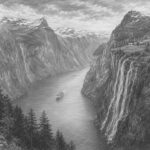
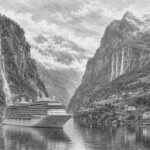
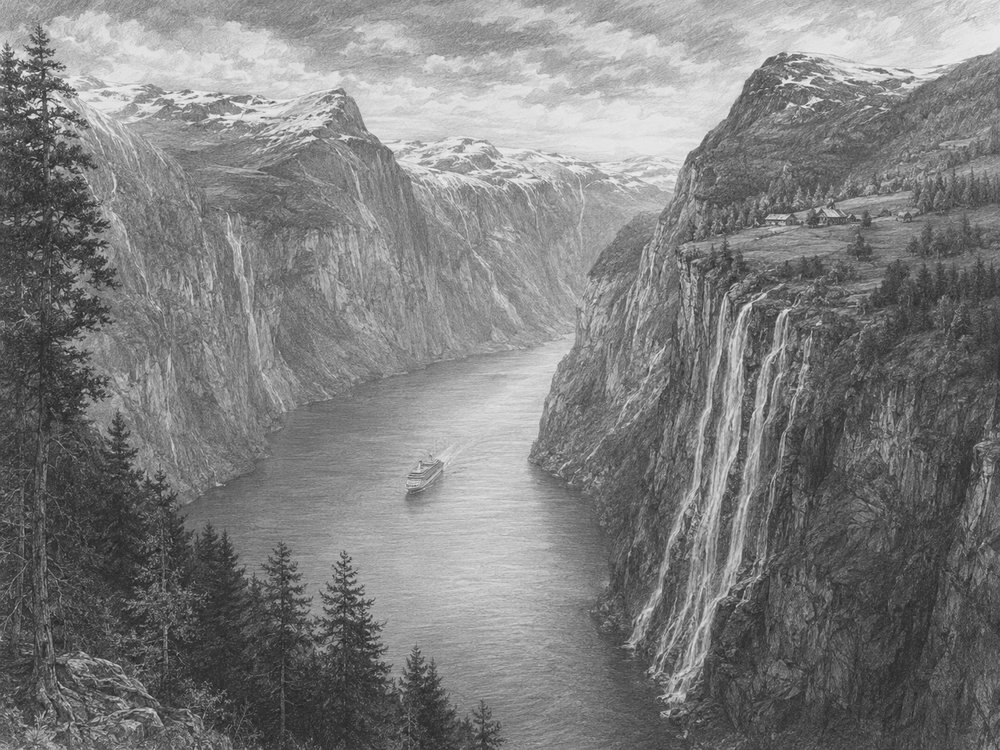
Fjords are long, narrow arms of the sea that reach far inland between steep mountains, flooded by seawater after the ice retreated. Norway’s western coast is lined with them, and a cruise here is built around sailing into and out of these inlets rather than just hopping between ports. On a Caribbean sailing the sea days are downtime; on a fjords sailing they are frequently the highlight, as the ship squeezes between mountain walls with waterfalls dropping straight into the water on both sides. Treat the scenic-cruising portions as scheduled attractions, not filler. Ships usually publish an approximate time for entering a marquee fjord like the Geirangerfjord, and experienced fjord travelers plan their morning around being on deck for it.
The marquee fjords and ports
The Geirangerfjord
The Geirangerfjord is the postcard fjord, a UNESCO-listed inlet framed by near-vertical cliffs and famous waterfalls like the Seven Sisters. Many ships spend a slow morning cruising in, then call at the tiny village of Geiranger at the head of the fjord. The village is small and can be a tender port, so the sailing in is genuinely the star. Popular outings ashore include the road up to the Dalsnibba viewpoint and shorter walks above the village. Decide in advance whether you want a high viewpoint or simply time on deck for the approach.
The Sognefjord and Flam
The Sognefjord is Norway’s longest and deepest fjord, and cruise ships often push far inland along it to reach the village of Flam. Flam is home to the Flam Railway, one of the most scenic train rides in Europe, climbing steeply through waterfalls and mountain scenery. If your ship calls here the railway is the signature excursion; it books out, so reserve early. Even without the train, the sail in and out along the Sognefjord is worth being on deck for.
Bergen and Bryggen
Bergen is the largest city on the fjord coast and the traditional gateway to the region. Its centerpiece is Bryggen, the row of colorful wooden Hanseatic League warehouses along the old wharf, now a UNESCO World Heritage Site full of narrow alleys, shops and cafes. Bergen also has the lively Fish Market and the Floibanen funicular up Mount Floyen for views over the city and harbor. Ships generally dock within reach of the old town, making Bergen one of the easiest fjord ports to do on your own.
Stavanger, the Pulpit Rock and the Lysefjord
Stavanger is a walkable port city known for Gamle Stavanger, a district of preserved white wooden houses near the waterfront, and as the jumping-off point for the Lysefjord and Preikestolen, the Pulpit Rock. The Pulpit Rock is a flat cliff plateau high above the Lysefjord, and reaching it means a boat or bus transfer followed by a real uphill hike of several hours round trip on uneven ground; only commit if you are fit and your ship is in port long enough. If hiking is not your plan, a sightseeing boat into the Lysefjord shows the cliff from below, and the old town is a pleasant self-guided walk.
Olden and the Briksdal glacier
Olden is a small village at the head of the Nordfjord, and its draw is the surrounding glacier country, especially the Briksdal glacier, an arm of the vast Jostedalsbreen ice cap. Reaching it involves a transfer up a green valley to the trailhead, then a walk toward the glacier face past waterfalls and a glacial lake; some take the little open “troll car” carts partway. Olden itself is tiny, so nearly all visitors head inland.
Alesund
Alesund is arguably the prettiest town on the coast, rebuilt in a unified Art Nouveau style after a fire and set across islands at the mouth of the fjords. The classic outing is to climb the steps of Aksla for the panoramic view over the town’s turrets and spires, then wander the streets below. It is compact and very walkable from the pier, ideal for an independent day.
Where your ship docks
Fjord ports are a genuine mix of docking and tendering, and it varies by ship and by day. Larger towns like Bergen, Stavanger and Alesund typically have berths where you walk off directly, with the center within reach on foot. Smaller villages at the heads of fjords, such as Geiranger and sometimes Olden or Flam, can be tender ports where you ride a small boat ashore, especially for bigger ships. Tendering adds time and can involve queues, so if your day depends on a specific train or tour, build in a buffer and confirm your exact arrangement in your cruise line’s app.
Scenic-cruising tips: making the most of the deck days
- Be on deck early for the marquee approaches. The best light and calmest crowds come first thing, and the entrance to a fjord is often the most dramatic stretch.
- Find open, high, forward-facing deck space, so you can move side to side rather than face only one wall.
- Bring binoculars. They turn distant waterfalls, mountain farms and the occasional wildlife into something you can actually see.
- Watch for waterfalls after rain, when snowmelt and recent weather make the falls run strongest.
- Check the app for approximate fjord entry times and set a reminder, so you are not caught at lunch.
Weather and packing
The fjords are cool and changeable even in the warm season. You can get sun, cloud, wind and rain in a single day, and it is noticeably colder standing on an open deck while cruising than the air temperature suggests. Dress in layers you can add and shed: a warm mid-layer, a waterproof windproof shell, and waterproof shoes for wet decks and uneven paths. For hikes like the Pulpit Rock, proper walking shoes and rain gear are not optional, and a hat and gloves help on the scenic mornings.
Ship tour vs independent, and the cost of Norway
The bigger towns reward independent exploring. Bergen, Stavanger and Alesund are compact and easy to navigate on foot, so a self-guided walk plus perhaps one local activity works well and saves money. The remote experiences are where ship tours earn their keep: the Flam Railway, the Briksdal glacier, the Pulpit Rock and the fjord sightseeing boats all involve transfers, timing and limited capacity, and booking through the ship means the vessel waits for you if a tour runs late.
Be ready for Norway to be expensive relative to many other cruise regions. Food, drinks, taxis and tours cost more here than in southern Europe, so a coffee and a snack ashore add up quickly, and many travelers eat their big meals back on the ship and spend ashore selectively. If you are combining this with a wider trip, the contrast is real; a day in a warmer, cheaper port like Barcelona feels like a different world of pricing. Bring a card that works widely, since Norway is largely cashless.
How much time you need and what to watch out for
For the walkable towns, a single port day is plenty to see the highlights at a relaxed pace. For the big inland excursions the day fills up fast once you factor in the transfer each way, so pick one main thing and do it well rather than combining a long hike with lots of town time. Watch out for tendering eating into a short call, trains and tours selling out, and the scenic mornings being easy to sleep through. Treat the fjord entry as an appointment and keep an eye on all-aboard.
Cruise ships that sail the Norwegian Fjords
A wide range of ships run fjord itineraries in the warmer months. If you are still choosing a sailing, these ship guides cover vessels that commonly cruise this region:
- Anthem of the Seas
- Celebrity Edge
- Koningsdam
- Liberty of the Seas
- Nieuw Statendam
- Norwegian Encore
- Ovation of the Seas
- Star Princess
Frequently asked questions
When is the best time to take a Norwegian fjords cruise?
The main season runs through the warmer months, when days are long and the mountain roads are open. Earlier in the season you may still see snow on the peaks and fuller waterfalls. Whenever you go, expect cool, changeable conditions and pack layers.
Are the fjord ports dock or tender?
It is a mix. Bigger towns like Bergen, Stavanger and Alesund usually have berths where you walk straight off, while small villages such as Geiranger can be tender ports, especially for large ships. It varies by ship and day, so confirm your specific call in your cruise line’s app.
Do I need to book excursions in advance?
For the marquee inland experiences, yes. The Flam Railway, the Briksdal glacier trips and the Lysefjord and Pulpit Rock outings have limited capacity and popular slots sell out. The walkable towns need no booking, so reserve the big-ticket items early and keep the easy ports for self-guided days.
Is a fjords cruise good for people who do not want to hike?
Very much so. The scenic cruising is enjoyed entirely from the deck, and towns like Bergen, Alesund and Stavanger are flat and easy to stroll. Sightseeing boats show cliffs like the Pulpit Rock from the water without climbing, and gentler valley walks exist at the glacier ports. The strenuous hikes are optional.
How expensive is Norway compared with other cruise regions?
Noticeably more expensive than southern Europe for food, drinks, taxis and tours, so many cruisers eat their main meals on board and spend selectively ashore. Norway is also largely cashless, so bring a card that works widely.
What should I not miss on the scenic-cruising days?
Be on deck for the approach into the marquee fjords, particularly the Geirangerfjord with its Seven Sisters waterfalls and the long run along the Sognefjord toward Flam. Check the app for the approximate entry time, bring binoculars, and find open, forward-facing deck space.
Can I do the fjord ports independently?
The larger towns are ideal for independent days on foot. For remote excursions that need transfers and tight timing, a ship tour means the ship waits for you if things run late. If you go independent for those, leave a wide buffer and respect all-aboard, because these villages are small and missing the ship is a serious, expensive problem.

Meet Leo: The Heartbeat Behind ‘A Country A Month’
Journeying through the pages of A Country A Month, you might often feel the rhythm of a storyteller’s heartbeat, pulsating through each line, each image, and each adventure shared. That heartbeat belongs to none other than our remarkable website editor, Leo.
With a lens in one hand and a pen in the other, Leo seamlessly marries his passions for photography and writing. His eye captures moments that words can barely describe, yet his eloquence brings those images to life, transcending borders and connecting us all through shared stories. An avid traveler, every country he’s visited has added another chapter to his expansive tale, and through our platform, he generously shares these chapters with us.