Cartagena is one of the Caribbean’s most rewarding cruise stops: a five-century-old walled city of ochre and coral-pink facades, cannon-lined ramparts, and a fortress that once held off the empires of Europe. This Cartagena Colombia cruise port guide answers the question most people arrive with — how do I make the most of a single day here? The short version: get from the terminal in Manga into the historic center quickly, spend your hours inside the walled Old Town and at the Castillo San Felipe de Barajas, stay in the tourist areas, drink far more water than you think you need, and be back at the pier with time to spare.
Where your ship docks
Cruise ships dock at the port of Cartagena on the Manga peninsula, southeast of the historic center. It is a proper berth, not a tender port, so you simply walk off the ship. The terminal building itself is worth a few minutes before you rush out. It houses a small aviary and botanical garden where flamingos, macaws, parrots, toucans, and peacocks wander among tropical plants, and it is a genuinely pleasant, shaded introduction to the country’s wildlife. There is also a duty-free shopping area, currency exchange, and taxis lined up outside.
Manga is not within comfortable walking distance of the Old Town, especially in the heat, so nearly everyone takes a taxi or a ship-arranged transfer. The ride into the walled city is short. Official port taxis wait just past the terminal exit, and the golden rule in Cartagena is to agree the fare before you get in — taxis here are not metered, so confirm the price to your destination first and, ideally, have small bills in local pesos. Your cruise line’s shuttle, where offered, drops you near the edge of the Old Town and saves the negotiation. Check your ship’s app for the exact berth, the shuttle schedule, and your all-aboard time before you leave.
Top things to do on a port day
Walk the walled Old Town (Ciudad Amurallada)
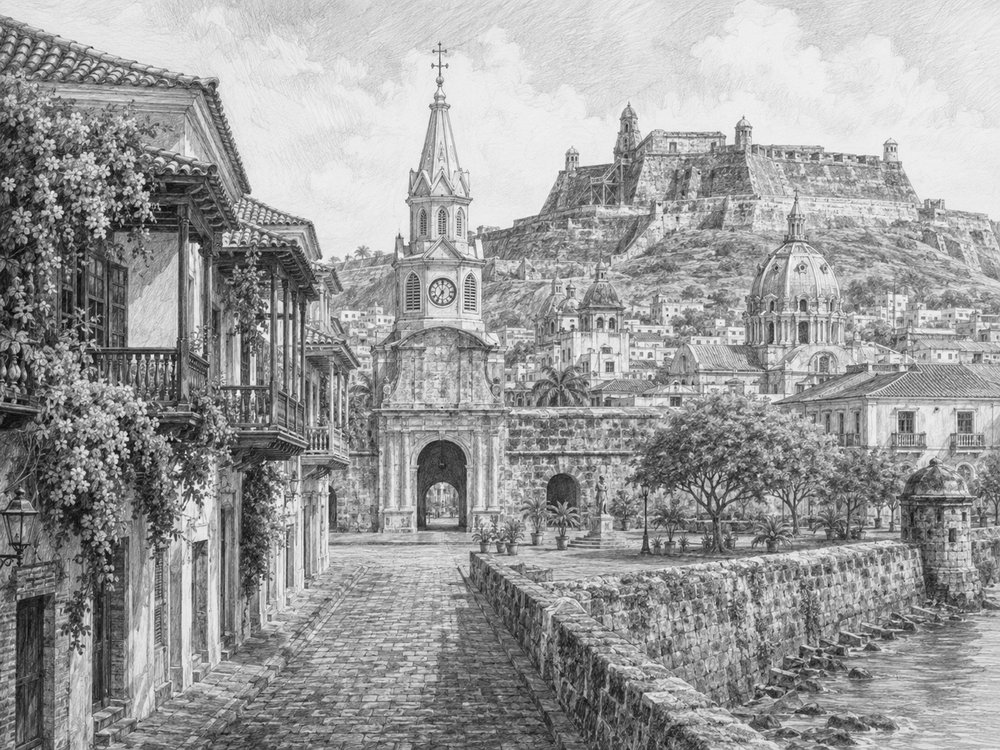
The Ciudad Amurallada — the walled Old Town — is the reason most ships call here, and it delivers. Massive stone fortifications wrap around a compact grid of cobbled streets, colonial mansions, churches, and plazas. The best way to see it is simply to wander: there is no single must-do route, and the pleasure is in turning a corner to find a quiet square, a balcony spilling with bougainvillea, or a horse-drawn carriage clopping past. Walking the top of the old walls themselves, particularly toward late afternoon when the stone glows and the sea breeze picks up, is one of the finest free things you can do in the city.
Just outside the walls sits Getsemani, once a working-class neighborhood and now the city’s most colorful, creative quarter. Its narrow lanes are strung with paper flags and umbrellas, its walls covered in striking street art, and its central square, Plaza de la Trinidad, fills with locals, musicians, and street food in the evening. It is walkable from the Old Town and gives you a livelier, less polished counterpoint to the grand colonial center.
Climb the Castillo San Felipe de Barajas
The Castillo San Felipe de Barajas is the great fortress of Cartagena, a hulking complex of ramparts, tunnels, and gun batteries built on a hill to defend the city against pirates and rival navies. It is the largest Spanish colonial fortification in the Americas, and it looks it. You can climb the ramps and battlements for sweeping views over the Old Town, the port, and the modern skyline of Bocagrande beyond, and explore the network of tunnels bored through the hill. There is very little shade up top, so go early or late, wear a hat, and carry water. It sits between the port and the Old Town, making it easy to fold into a taxi loop that also drops you at the historic center.
See the Clock Tower and Plaza Santo Domingo
The Torre del Reloj — the yellow Clock Tower — is the grand gateway into the walled city and the natural place to begin a walking loop. Step through its arch and you are in the heart of the Old Town within a minute. From there, aim for Plaza Santo Domingo, one of the liveliest squares in Cartagena, anchored by the city’s oldest church and by Botero’s reclining bronze figure, “La Gorda Gertrudis,” which everyone stops to photograph. The plaza is ringed with cafes and is a good spot to pause, get out of the sun, and watch the city go by. Nearby Plaza de los Coches and Plaza de la Aduana are part of the same easy circuit.
Shop for emeralds and Colombian crafts
Colombia is one of the world’s great sources of emeralds, and Cartagena is a natural place to shop for them. Reputable jewelers cluster in the Old Town, and some maintain small emerald museums where you can learn how the stones are graded before you buy. For a serious purchase, buy from an established store that provides certification, take your time, and never feel rushed by a street seller. Beyond gems, look for Colombian coffee, handwoven mochila bags, Panama-style hats, and colorful embroidered goods. Haggling is expected with street vendors, less so in fixed-price shops.
Ship tour vs independent taxi
Cartagena works well either way. A ship’s excursion removes all the logistics — transport, a guide, and the guarantee that the ship waits if the tour runs late — which is reassuring in a city where the taxis are unmetered. The trade-off is a fixed itinerary and larger groups.
Going independently is very doable here. Hire a taxi at the terminal, agree the fare up front, and consider negotiating a per-hour rate for a driver to take you to the fortress, wait, and then drop you at the Clock Tower. Confirm every fare before you commit, carry small denominations of local currency, and keep your ship’s all-aboard time front of mind, because independent travelers are responsible for their own return. If you would rather relax, the beaches of Bocagrande and the nearby Rosario Islands are common excursion options, though the islands eat up most of a port day.
How much time you need
A standard port call is enough to see the highlights without exhausting yourself: the fortress, a walking loop through the walled Old Town, Plaza Santo Domingo, some shopping, and a wander into Getsemani. That is a full, satisfying day. If you want to add the Rosario Islands or a longer beach trip, you will need to prioritize hard, because those alone can consume the whole call. Whatever you plan, build in a buffer for the taxi ride back to Manga and any pierside security lines, and confirm your exact times in the cruise line’s app.
What to watch out for
The heat and humidity in Cartagena are intense, more so than many Caribbean stops, and they are the single biggest thing that undoes cruise visitors. Start early, wear light clothing and a hat, use sunscreen, seek shade in the plazas during the midday peak, and drink water constantly — carry a bottle and refill it. The stone streets and fortress ramps reflect the sun mercilessly.
On safety, Cartagena’s tourist areas — the walled Old Town, Getsemani, the fortress, and Bocagrande — are well used and generally fine in daylight, and staying within them is the sensible approach for a short visit. Use normal city common sense: keep valuables out of sight, be firm but polite with persistent street vendors, agree taxi fares before riding, and don’t wander into unfamiliar residential areas alone. A few short, friendly words of Spanish go a long way. With those basics in mind, most cruise visitors find the city warm, welcoming, and easy to enjoy.
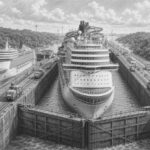
Cartagena also pairs beautifully with the region’s other marquee stops. Many South-Caribbean and repositioning itineraries combine it with a transit of the Panama Canal, and some longer voyages string it together with Western-Caribbean days in Cozumel. Check your own sailing to see what else is on the map.
Cruise ships that visit Cartagena
Cartagena appears on itineraries across many cruise lines. If your ship is one of the following, its own guide has more detail on cabins, dining, and what to expect on board:
Frequently asked questions
Is Cartagena a tender port?
No. Cruise ships dock at a berth on the Manga peninsula and you walk off directly, so there is no tendering. From the terminal it is a short taxi ride or ship shuttle into the walled Old Town. Confirm your exact berth and any shuttle details in your cruise line’s app.
How do I get from the cruise terminal into the city?
Most people take a taxi from the ranks outside the terminal or use their ship’s shuttle. The Old Town is not far, but it is too hot to walk from Manga comfortably. Taxis are not metered, so always agree the fare before you get in and carry small bills in Colombian pesos.
What is there to do right at the port terminal?
The Manga terminal has a small aviary and botanical garden where flamingos, macaws, toucans, and peacocks live among tropical plants, plus duty-free shops and currency exchange. It is a nice, shaded stop for a few minutes as you arrive or before you reboard.
Is Cartagena safe for cruise passengers?
The main tourist areas — the walled Old Town, Getsemani, the Castillo San Felipe, and Bocagrande — are well trafficked and generally fine in daylight. Stay within them, keep valuables out of sight, agree taxi fares in advance, and be politely firm with street vendors, and you will find the city very manageable for a day visit.
Should I book a ship excursion or explore on my own?
Both work. A ship tour handles all the logistics and guarantees the ship waits for you if it runs late, which suits first-time visitors. Independent travel by taxi is cheaper and more flexible, but you manage your own return — so agree fares first and watch your all-aboard time carefully.
Is Cartagena a good place to buy emeralds?
Yes — Colombia is one of the world’s top emerald sources, and reputable jewelers with certification cluster in the Old Town, some with small emerald museums. For a significant purchase, buy from an established store, take your time, and get documentation. Avoid buying gems from street sellers.
How much time do I need in Cartagena?
A typical port call is enough to see the fortress, walk the walled Old Town, visit Plaza Santo Domingo and the Clock Tower, shop, and dip into Getsemani. Add-ons like the Rosario Islands or a longer beach trip can fill the whole day, so prioritize and leave a buffer for the ride back to the ship.

Meet Leo: The Heartbeat Behind ‘A Country A Month’
Journeying through the pages of A Country A Month, you might often feel the rhythm of a storyteller’s heartbeat, pulsating through each line, each image, and each adventure shared. That heartbeat belongs to none other than our remarkable website editor, Leo.
With a lens in one hand and a pen in the other, Leo seamlessly marries his passions for photography and writing. His eye captures moments that words can barely describe, yet his eloquence brings those images to life, transcending borders and connecting us all through shared stories. An avid traveler, every country he’s visited has added another chapter to his expansive tale, and through our platform, he generously shares these chapters with us.