A Panama Canal cruise guide comes down to one thing: this is not a lazy week in the Caribbean, it is a moving line across two oceans that strings together Mexico, Central America, Colombia and the Bahamas, with a full day inside the locks as the centerpiece. On Norwegian Bliss, that voyage typically runs between Los Angeles and Miami over roughly 15 to 19 nights, in either direction, and it works because the ship was built with scenic cruising in mind. If you want the short answer to “what should I plan for,” it is this: a passport, a spread of shore tours booked early, tropical-weather packing, and a relaxed attitude toward the extra sea days. The rest of this guide walks the ports in the order you are likely to meet them, explains how to plan each day, and shows why the canal transit earns its reputation.
Everything in this article and far more, deck by deck, in The Ultimate Guide to Sailing on Norwegian Bliss.
Get the book →Why Norwegian Bliss suits the Panama Canal run
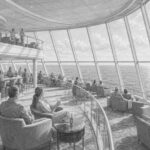
Norwegian Bliss is a Breakaway Plus-Class megaship, a near-twin of Norwegian Encore, at around 168,000 gross tons across roughly 20 decks and about 4,004 guests at double occupancy. Size matters less on this itinerary than design does. Bliss was the first Norwegian ship built with a two-deck, wraparound Observation Lounge at the bow, a huge forward-facing room with floor-to-ceiling panoramic windows and leather chairs, purpose-built for exactly the kind of slow scenic days a Panama Canal voyage delivers. When the ship noses toward the first set of locks, that lounge becomes the best seat on board.
The other reason she fits is Freestyle Cruising, Norwegian’s core difference. There are no fixed dining times, no assigned tables and no formal dress codes. You dine when, where and with whom you like across a large range of restaurants. On a longer voyage with more sea days than a standard week, that flexibility is a genuine advantage. You are not scheduling your evening around a 6pm or 8:30pm seating for two and a half weeks. You eat when you come back from a rainforest, and you eat late after the canal day if that is how it falls. If you are new to the line, our first-time Freestyle guide explains how the dining and reservation rhythm actually works day to day.
Complimentary dining includes the main dining rooms and the Garden Café buffet. Specialty restaurants such as Cagney’s Steakhouse, Le Bistro, Ocean Blue, Onda by Scarpetta, Teppanyaki and the Q Texas Smokehouse carry an extra charge or run through a dining package, and reservations help at peak times. Over a two-week-plus sailing, a dining package can be worth doing the math on. Confirm the current lineup and any package details in the NCL app.
The multi-country passport requirement
Start here because it is the one thing that can end a trip before it begins. A Panama Canal cruise visits multiple countries and is not a simple closed-loop US itinerary, so a passport is required, not a birth certificate and driver’s license. Depending on the exact ports and your nationality, some stops may require additional documents, so check current entry rules well ahead of sailing rather than the week before. Make sure the passport has comfortable validity remaining and a few blank pages.
Money is simpler than the country count suggests. US dollars are widely used across much of the route and are official in Panama. Mexico uses the peso, Guatemala the quetzal, Costa Rica the colón, Colombia the peso and Jamaica the Jamaican dollar, but cards and US dollars are widely taken in tourist areas. Carry small local cash for markets and taxis, where a US twenty is awkward to break. Great Stirrup Cay, at the end, runs entirely on your key card, so you need no cash at all on the island.
Cabo San Lucas, Mexico
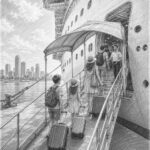
Heading south from Los Angeles, Cabo San Lucas is usually the first real port after a sea day. This is where the Pacific meets the desert, and the signature sight is El Arco, the natural rock arch at Land’s End where the ocean wraps around the tip of the Baja peninsula. Cabo is a tender port on some calls, meaning the ship anchors offshore and small boats ferry guests in, so build a little patience into your morning and don’t book the very first available return slot if you have a tight tour.
Good ways to spend the day include a boat trip out to the arch and Lover’s Beach, whale-watching in season, sportfishing, or simply the marina and the beaches. The town is walkable from the tender pier, so this is also a fine port to keep loose and independent if you’d rather not commit to a full excursion on day one.
Acapulco, Mexico
Acapulco is built around its dramatic bay, and the classic reason to go ashore is the La Quebrada cliff divers, who launch from a rocky ledge into a narrow inlet timed to the incoming swell. It is a genuine spectacle and a piece of the city’s mid-century glamour history. Beyond the divers there are the beaches, the bay views and the old town. This is a port where an organized tour handles the logistics well, since the sights are spread around the bay.
Puerto Quetzal, Guatemala
Puerto Quetzal is a working port, and almost nobody comes for the port itself. It is the gateway to colonial Antigua, one of the most photogenic cities in Central America, ringed by volcanoes with cobblestone streets, pastel facades and a famous ruined-arch skyline. The drive inland takes a while, so this is a full-day commitment and a strong candidate for a ship or well-reviewed operator tour rather than winging it. Beyond Antigua, the region offers Maya markets and coffee country, and a coffee-farm visit pairs well with the town.
Because the highlands sit at altitude, Antigua can be noticeably cooler and more comfortable than the humid coast, which is a nice break in the middle of a hot itinerary. Bring a light layer even though you boarded in the tropics.
Puntarenas, Costa Rica
Puntarenas, sometimes calling at nearby Puerto Caldera, is the wildlife day. Costa Rica is the gateway to rainforest national parks and the animals people cross an ocean to see: monkeys, sloths, tropical birds and, on the coast and rivers, plenty of marine and river life. This is the port where binoculars and a real camera earn their space in your bag. A guided nature tour is worth it here because trained local guides spot sloths and birds you would walk straight past on your own, and they carry the scopes that turn a distant shape into a clear look.
Options range from gentle river cruises and aerial tram rides through the canopy to hanging-bridge walks and beach time. Pick according to your mobility and heat tolerance, because midday in the Costa Rican lowlands is hot and humid. Whatever you choose, bring rain protection; a tropical shower can arrive and pass within the same hour.
The Panama Canal transit day
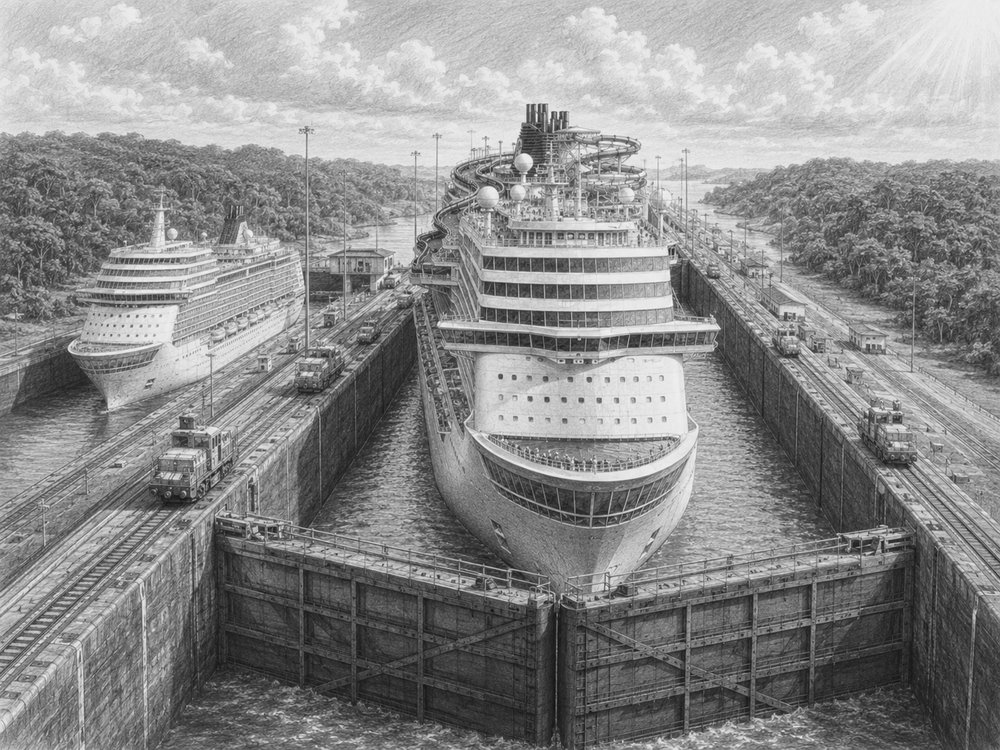
This is why people book the cruise. The centerpiece is a full day transiting the locks and crossing the isthmus that divides two oceans, a bucket-list engineering and scenic experience that unfolds slowly over many hours. Ships are raised and lowered through a series of chambers, moving between sea level and the lake at the center of the crossing, and watching the water rise around a vessel this size never stops being impressive. Panama City sits nearby, and the whole day comes with onboard narration explaining the history and engineering as it happens.
We keep the mechanics high-level here because the transit rewards its own detailed treatment; our Panama Canal transit tips cover timing, where to stand and how to work the decks hour by hour. For this overview, the essentials are simple. Be up early, because the first locks tend to come in the morning and the light and anticipation are best then. Use the two-deck Observation Lounge and the open decks; the forward lounge gives you shade, air conditioning and a straight-ahead view, while the open decks put you in the heat but closer to the action and the lock walls. Bring sun protection and water, because it is a long day largely spent outdoors or in the sun through glass.
Bliss handles this day better than most ships precisely because of that Observation Lounge and her generous open deck space. You can rotate between a cool seat and a rail spot without missing much, and you rarely have to fight for a sliver of railing the way you might on a vessel that was never designed for scenic cruising. It is a full, fascinating day rather than a quick photo stop, so pace your food and hydration and don’t schedule anything that assumes an early finish.
Cartagena, Colombia
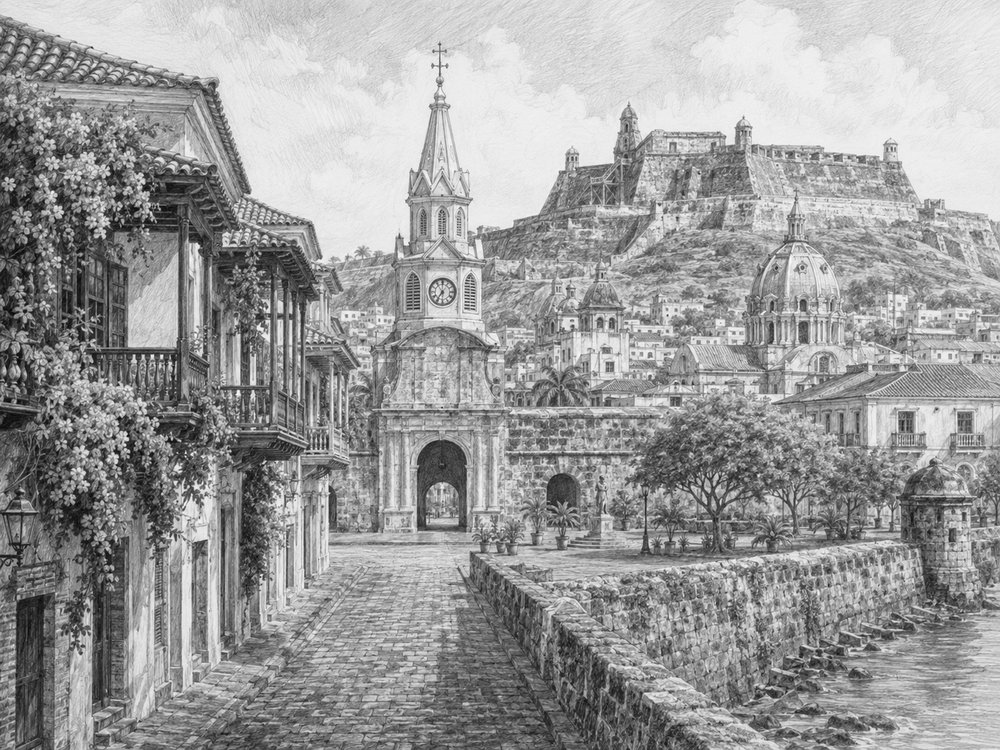
Once through to the Caribbean side, Cartagena is the cultural high point of the second half. The walled Old Town is a maze of colonial streets, balconies dripping with bougainvillea, plazas and colorful facades, all wrapped in centuries-old fortifications. Add the forts guarding the harbor and you have a compact, deeply atmospheric city that is easy to enjoy on foot with a guide. The heat and humidity here are serious, so plan the walking for the cooler ends of the day and duck into shaded plazas and cafés in between.
A guided walking tour of the Old Town and the main fort is the classic call, and it orients you fast in a place where the charm is in the details. Some sailings also call at Falmouth, Jamaica, on the way north, which adds a Caribbean beach or river-tubing day to the mix; direction and exact ports vary by sailing, so always confirm your specific itinerary in the NCL app.
Great Stirrup Cay, Bahamas
The voyage winds down at Great Stirrup Cay, Norwegian’s private island in the Bahamas, before the finale in Miami. After two weeks of history, engineering and wildlife, this is the deliberate decompression: beaches, water sports, a lagoon and a relaxed pace with nothing you are obligated to learn or see. It is a tender-style island day on a beach, and everything runs on your key card, so leave your wallet in the cabin. Grab a lounger early, and treat it as the palate cleanser it is meant to be before you pack.
How to plan tours across the whole itinerary
The through-line of a Panama Canal cruise is that the ports carry the experience, so tour planning matters more than on a resort-style sailing. Book the marquee days early. Antigua from Puerto Quetzal, wildlife in Costa Rica and the Old Town in Cartagena are the ones that sell out first, whether you book through the ship or a reputable independent operator. Tours genuinely sell out on these itineraries, and there is no second chance at Antigua the following afternoon.
- Prioritize the days where the payoff sits far inland or needs a guide: Antigua, Costa Rica’s rainforest and Cartagena’s Old Town.
- Keep at least one port loose and independent. Cabo and Great Stirrup Cay both work well without a booked excursion.
- On tender ports like Cabo, leave buffer time and avoid booking the last tender back if you have a flight or tight connection later.
- Match tours to heat and mobility; midday in Central America and Cartagena is hot and humid, and some tours involve real walking.
- Confirm every departure time, meeting point and current port in the NCL app, since the app runs your day.
Tropical weather and what to pack
Expect warm and tropical conditions throughout, hot and humid especially near the canal and across Central America and Cartagena. Pack light, breathable clothing and plan around the heat rather than fighting it. Bring serious sun protection, a hat and sunglasses, because much of the canal day and the port walking happens under strong sun. Bring rain protection too; tropical showers arrive fast and pass fast, and a packable layer beats hiding indoors.
The counterintuitive item is a light layer for the ship itself. Interior spaces are air-conditioned and can feel cold after a humid morning ashore, and the Antigua highlands run cooler than the coast. Add binoculars and a proper camera for Costa Rica and the canal, comfortable walking shoes for cobblestones and forts, and a reusable water bottle. Freestyle’s no-formal-dress approach keeps the packing list short; you do not need multiple formal outfits for this voyage.
Pacing the sea days
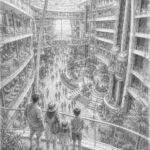
A Panama Canal voyage has more sea days than a typical week, and that is a feature, not a flaw, as long as you plan for it. The sea days are the recovery time between demanding port days, and Bliss gives you plenty to fill them. The Speedway, a two-level electric go-kart racetrack of around 1,000 feet that extends out over the side of the ship, is a standout (it carries an extra charge). The Aqua Park adds freefall and tube waterslides plus a kids’ area, there is open-air laser tag on the top deck, and the ship has featured Broadway-caliber entertainment including the Tony-winning “Jersey Boys,” along with comedy, live music and other shows. Confirm the current lineup in the app.
Use the sea days to book specialty dinners, catch shows and simply rest, rather than treating them as dead time. The Observation Lounge is not just for the canal; it is a quiet reading and coffee spot on any at-sea morning. For a fuller tour of the entertainment, dining and layout, our what-to-expect overview maps out the ship, and the Haven and Speedway breakdown digs into the go-karts and the suite complex.
Which cabin for a long scenic voyage
Cabin choice shifts on a voyage this long and this scenery-rich. On a short cruise you barely use the room, but over 15 to 19 nights a balcony earns its keep, giving you private open air for the coastal stretches and a quiet spot to watch Central America slide by. The categories run from Inside and Oceanview through Balcony, Club Balcony Suite, Mini-Suites and Spa cabins to the solo Studios with their own Studio Lounge, and up to The Haven, Norwegian’s keycard-only suite complex with a private pool, restaurant, lounge, sun deck and butler service.
For best value, an Inside or a solo Studio keeps the fare down and puts your money into tours. For the best all-round experience on this itinerary, a midship balcony on the mid-decks gives you the scenery plus the steadiest ride. At the top, The Haven buys space, service and views for those who want a ship-within-a-ship. Whatever you pick, check the deck plan and avoid cabins directly under the pool deck, the Garden Café or the Speedway for noise, rooms near nightlife venues, forward high-deck rooms if anyone is prone to motion, and lower-deck balconies with obstructed views. Our best-cabins guide goes deck by deck if you want to dial it in.
Get the complete Norwegian Bliss playbook
If you want every port, cabin and canal-day decision handled in one place, “The Ultimate Guide to Sailing on Norwegian Bliss” is part of the Ultimate Ship Guides series by Leo Sotropa, with clear action steps in every chapter so you board knowing exactly what to do.
Frequently asked questions
How long is the Panama Canal cruise on Norwegian Bliss?
It is a longer, repositioning-style voyage, typically running between Los Angeles and Miami in either direction over roughly 15 to 19 nights. That covers the Mexican Pacific, Central America, the canal transit, Colombia and the Caribbean. Direction and exact ports vary by sailing, so confirm your specific voyage in the NCL app.
Do I need a passport for this cruise?
Yes. Because the itinerary visits multiple countries and is not a closed-loop US sailing, a passport is required. Some ports or nationalities may need additional documents, so check current entry rules well ahead of your departure rather than at the last minute.
What is the best place on the ship to watch the canal transit?
The two-deck Observation Lounge at the bow, with its floor-to-ceiling panoramic windows, is the standout, offering shade, air conditioning and a forward view. The open decks put you closer to the lock walls and the action. Rotating between the two lets you enjoy the whole day comfortably, which is one of the reasons Bliss suits this voyage.
Are any of the ports tender ports?
Cabo San Lucas is a tender port on some calls, meaning the ship anchors and small boats ferry guests ashore, so allow extra time and avoid booking the last tender back if you have a tight schedule. Great Stirrup Cay is a beach-island day. Always check the arrival details for your sailing in the app.
Should I book shore tours in advance?
For the marquee days, yes. Antigua from Puerto Quetzal, Costa Rica’s rainforest wildlife and Cartagena’s Old Town tend to sell out early whether you book through the ship or a reputable independent operator. Keep a port or two, like Cabo and Great Stirrup Cay, loose and independent.
What should I pack for the weather?
Plan for warm, tropical conditions that are hot and humid near the canal and across Central America and Cartagena. Bring light breathable clothing, strong sun protection, rain protection for quick tropical showers, and a light layer for the ship’s air conditioning and the cooler Antigua highlands. Binoculars and a camera pay off in Costa Rica and on the canal day.
Is there enough to do on the extra sea days?
Yes. The voyage has more sea days than a typical week, and Bliss fills them with the Speedway go-kart track, the Aqua Park waterslides, open-air laser tag, Broadway-caliber shows, live music and the Observation Lounge. Freestyle Cruising’s flexible dining means you can pace those days however you like. Confirm the current entertainment lineup in the NCL app.
Ready for the whole ship in one place? It is all in The Ultimate Guide to Sailing on Norwegian Bliss.
Get the book →
Meet Leo: The Heartbeat Behind ‘A Country A Month’
Journeying through the pages of A Country A Month, you might often feel the rhythm of a storyteller’s heartbeat, pulsating through each line, each image, and each adventure shared. That heartbeat belongs to none other than our remarkable website editor, Leo.
With a lens in one hand and a pen in the other, Leo seamlessly marries his passions for photography and writing. His eye captures moments that words can barely describe, yet his eloquence brings those images to life, transcending borders and connecting us all through shared stories. An avid traveler, every country he’s visited has added another chapter to his expansive tale, and through our platform, he generously shares these chapters with us.