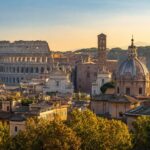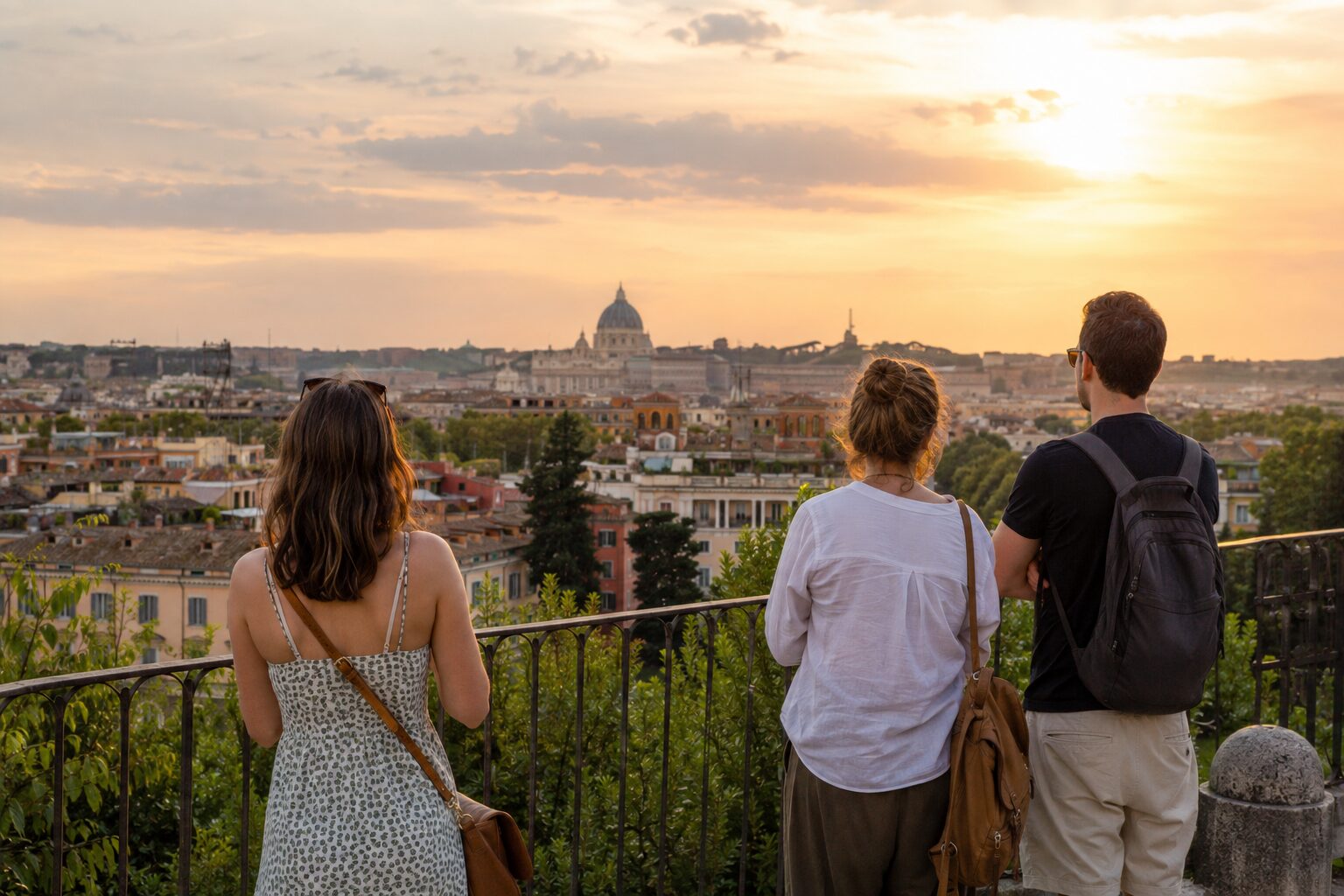
Rome’s streets, fountains, churches, and viewpoints provide enormous value before you buy a ticket. Spend on a few sites where admission changes the experience and use the city itself for the rest.
Save on accommodation
Compare Monti, Prati, Testaccio, San Giovanni, Ostiense, and carefully chosen Termini-area properties. Add transit time and air-conditioning needs to the room rate. A central room can save fares and energy on a short stay.
Use transport by actual need
Rome offers single and 24-, 48-, and 72-hour products, plus longer passes and contactless payment. Count your expected rides and check current ATAC prices and rules. Much central sightseeing is best on foot.
Choose paid sights
Prioritize the Colosseum archaeological park, Vatican Museums, or Borghese Gallery based on interest. Do not buy every viewpoint and small attraction automatically. Check legitimate free-entry eligibility and reservation requirements.
Use free Rome
Trevi Fountain, Piazza Navona, Spanish Steps, many churches, neighborhood walks, river views, and panoramic hills can fill days. Respect worship, dress rules, and protected monuments.
Eat strategically
- Choose pizza al taglio, bakeries, markets, and simple lunch dishes.
- Drink from potable public fountains and carry a bottle.
- Move away from monument frontage.
- Read cover and service charges.
- Make one trattoria dinner the planned splurge.
A low-cost day
Begin at Trevi Fountain, walk through the historic center and free churches, picnic or eat pizza al taglio, cross the Tiber, climb to a free viewpoint, and finish in a neighborhood piazza.
Frequently asked questions
Can Rome be visited cheaply?
Yes, once accommodation is controlled. Much of the urban experience is free.
Is Roma Pass always worthwhile?
No. Compare current inclusions with the sites and journeys you will actually use.
Where should budget travelers stay?
Well-connected areas beyond the historic center can save money, but verify the exact route and property.
Use our Rome experiences guide and complete guide to prioritize.
Set the budget in the right order
Begin with the costs that cannot be improvised: transportation to the city, accommodation, insurance, airport transfers, and a small number of important admissions. Then create flexible daily ranges for food, local transport, and shopping. Use current direct prices and include taxes or required fees.
Add a contingency instead of budgeting to the last dollar. Weather, a missed connection, luggage storage, medicine, or an unexpectedly meaningful experience can change the plan. A reserve prevents one surprise from forcing several poor compromises.
Finding accommodation value
Compare several bases, including Trastevere, Testaccio, and Termini and Esquilino. Test the actual transport route rather than assuming that farther always means cheaper. Total price, sleep, and daily travel time determine value.
Book refundable rates while monitoring prices when practical. Check taxes, mandatory charges, breakfast, kitchen access, laundry, and luggage storage. Moving hotels to save a small amount usually costs more in time and energy than it returns.
Spend less on local transport
The useful network is walking for the historic center, supported by Metro, buses, trams, and taxis; surface journeys can be slower than the map suggests. Compare passes against the trips you will truly take, because unlimited products encourage unnecessary rides and are not automatically cheaper. Use one payment method consistently when the fare system requires it.
Group neighborhoods, walk within each cluster, and avoid returning to the hotel in the middle of the day unless rest is essential. Airport transport deserves a separate comparison because special fares, luggage, group size, and early hours change the calculation.
Free experiences that still feel essential
Build walks through The historic center, Monti, and Prati. Add parks, river or waterfront routes, architecture, markets, religious sites where public access is appropriate, and viewpoints that do not require admission.
Check free museum periods and eligibility directly. They may involve reservations, residency rules, limited hours, or larger crowds. A modest paid entry at a quieter time can sometimes provide better value than reorganizing a full day around free admission.
Choose paid attractions deliberately
List every paid attraction under consideration, then circle the two or three that define the trip. Compare a city pass only against that honest list. Do not add mediocre attractions merely to recover the pass price.
One skyline experience, one major collection, or one guided visit is often enough in its category. Supplement it with free perspectives and self-guided walks. Buy from official sources to avoid hidden markups and invalid tickets.
Eating well on a controlled budget
Use characteristic options such as carbonara, cacio e pepe, amatriciana, and supplì at the price level that suits you. Lunch menus, bakeries, counters, markets, supermarkets, and simple neighborhood restaurants can balance one special meal.
Carry water where appropriate and plan a snack before a long reservation. Hunger beside a famous sight produces expensive decisions. Check whether tax, service, bread, cover, or seating charges are included so the bill does not surprise you.
Saving on entertainment and evenings
Look for public concerts, parks, evening walks, community calendars, legitimate same-day ticket programs, and smaller venues. Free events can be excellent, but confirm location, capacity, and whether advance registration is required.
Choose accommodation with an evening neighborhood you enjoy. A walk, dessert, market, or casual drink nearby costs less than crossing the city for nightlife every night and makes the trip feel more local.
Shopping and souvenirs
Decide who and what you are shopping for before entering high-pressure visitor areas. Everyday food shops, bookstores, stationery stores, craft businesses, and markets often provide more meaningful options than generic souvenir chains.
Understand tax-refund eligibility and paperwork from current official sources, but do not let a refund justify unnecessary purchases. Protect fragile items and include luggage cost when comparing the apparent bargain.
A realistic low-cost day
Start with a simple breakfast, walk an early route around The historic center, use public transport once to reach Prati, choose an inexpensive specialty lunch, spend the afternoon in public space or a free institution, and finish with a neighborhood sunset or evening walk.
The day works because it minimizes paid admissions and repeated transit without feeling empty. Add one carefully chosen ticket if it represents a priority, then keep the surrounding hours flexible and local.
Budget mistakes to avoid
Do not trade every hour for the lowest price. A distant hotel, multiple airport transfers, a rigid nonrefundable booking, or a pass filled with unwanted attractions can cost more in practical terms. Value includes time, sleep, flexibility, and the quality of the experience.
Track spending by broad category every day or two rather than recording every coin during the trip. Adjust early if one category is running high, preserve the contingency, and spend intentionally on the experiences you came to have.
Calculate real savings
A cheaper option near The historic center is valuable only after transport, time, fees, and convenience are included. The area offers the Pantheon, Piazza Navona, Trevi Fountain, and exceptional walking at high prices, which may reduce the need for paid evening entertainment.
Use one paid anchor
Let The Vatican Museums be the day’s deliberate expense, then surround it with walking, public space, and an affordable meal. Book a timed entry, identify priority rooms, and separate the museum experience from St Peter’s Basilica logistics. This creates a full day without stacking admissions.
Track broad categories
Record lodging, transport, admissions, food, and shopping rather than every minor purchase. Review the totals every day or two and adjust before the final days become artificially restrictive.
Keep a contingency
Protect a small reserve for disruption, medicine, luggage, or a meaningful spontaneous opportunity. A budget without flexibility makes ordinary travel problems unnecessarily stressful.
Spend where time matters
A direct train, central room, or timed ticket can be worth paying for when it returns several usable hours. Frugality should support the trip, not turn it into a sequence of long waits.
Use lunch value
Try carciofi in season at lunch or in a casual specialist setting, then keep dinner simple. The aim is to experience local food at the right format, not to make every meal expensive.
Question bundled products
Calculate a pass against the attractions and rides you would purchase anyway. Ignore theoretical maximum value and include reservation restrictions, travel time, and the temptation to add unwanted activities.
Free still needs planning
Public parks, markets, religious sites, and viewpoints can have closing times, event restrictions, or peak crowds. A quick current check helps a free experience deliver its full value.
Avoid convenience markups
Carry water where appropriate, save nearby meal options, and buy ordinary supplies away from the most concentrated visitor zone. Small repeated markups matter more than one thoughtful splurge.
Finish below the limit
Leave part of the final day’s allowance unassigned. It can cover transport changes, a last meal, or a gift discovered naturally instead of forcing rushed spending before departure.
Calculate real savings
A cheaper option near Prati is valuable only after transport, time, fees, and convenience are included. The area offers orderly streets, Vatican access, restaurants, and Metro connections without the historic-center crush, which may reduce the need for paid evening entertainment.
Use one paid anchor
Let The Vatican Museums be the day’s deliberate expense, then surround it with walking, public space, and an affordable meal. Book a timed entry, identify priority rooms, and separate the museum experience from St Peter’s Basilica logistics. This creates a full day without stacking admissions.
Track broad categories
Record lodging, transport, admissions, food, and shopping rather than every minor purchase. Review the totals every day or two and adjust before the final days become artificially restrictive.
Keep a contingency
Protect a small reserve for disruption, medicine, luggage, or a meaningful spontaneous opportunity. A budget without flexibility makes ordinary travel problems unnecessarily stressful.
Spend where time matters
A direct train, central room, or timed ticket can be worth paying for when it returns several usable hours. Frugality should support the trip, not turn it into a sequence of long waits.

Meet Leo: The Heartbeat Behind ‘A Country A Month’
Journeying through the pages of A Country A Month, you might often feel the rhythm of a storyteller’s heartbeat, pulsating through each line, each image, and each adventure shared. That heartbeat belongs to none other than our remarkable website editor, Leo.
With a lens in one hand and a pen in the other, Leo seamlessly marries his passions for photography and writing. His eye captures moments that words can barely describe, yet his eloquence brings those images to life, transcending borders and connecting us all through shared stories. An avid traveler, every country he’s visited has added another chapter to his expansive tale, and through our platform, he generously shares these chapters with us.