
Booking your first cruise on one of the largest ships in the world is exciting and a little daunting, and starting from Orlando adds a travel-planning wrinkle worth getting right. The good news: Star of the Seas is one of the easiest big ships to enjoy as a beginner. It is the second ship in Royal Caribbean’s Icon Class, in service, running to about 248,663 gross tons across roughly twenty decks and carrying up to around 7,600 guests at full occupancy. Numbers that big can sound intimidating, but the ship is organized into eight distinct neighborhoods that each feel like their own place, so you never have to make sense of the whole vessel at once. This guide walks the entire arc, from booking to the final morning, in plain terms so nothing catches you off guard.
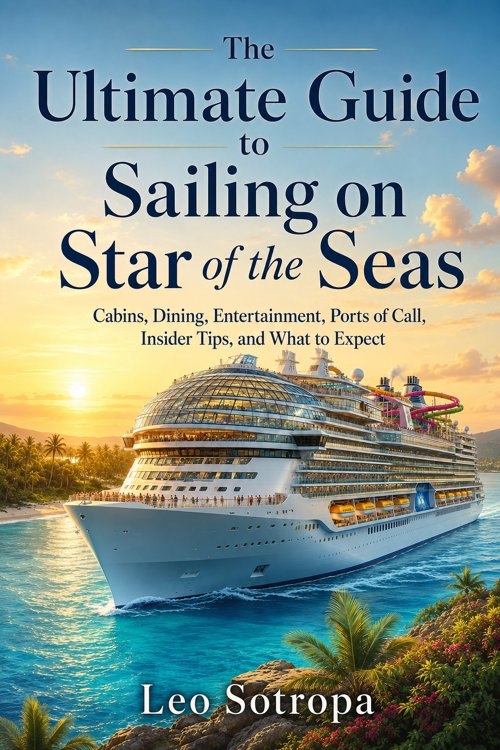
Everything in this article and far more, deck by deck, in The Ultimate Guide to Sailing on Star of the Seas.
Get the book →Choosing your first itinerary
Star sails 7-night round-trips from Port Canaveral, and your first real decision is Eastern versus Western Caribbean. Both routes start the same way: you depart Port Canaveral on day one, spend day two at Perfect Day at CocoCay (Royal Caribbean’s private island in the Bahamas), and have a sea day on day three. After that the two routes split. The Eastern itinerary calls at San Juan, Puerto Rico on day four and Philipsburg, St. Maarten on day five, then gives you two sea days before returning. The Western itinerary is port-heavier in the back half, stopping at Costa Maya, Mexico on day four, Roatan, Honduras on day five, and Cozumel, Mexico on day six, with a single sea day before you come home.
Pick by the kind of week you want. Eastern leans into culture and easy exploring: San Juan is a US territory, so American citizens skip the passport friction, and Old San Juan’s blue cobblestone streets and the El Morro and Castillo San Cristóbal forts are walkable straight from the pier. St. Maarten adds a two-nation island with beaches and the famous plane-spotting at Maho. Western is the choice for more port days and Mayan history, with reef snorkeling in Cozumel and Roatan that ranks among the best in the Caribbean. First-timers who want maximum relaxation often prefer the extra Eastern sea days; those who get restless prefer the busier Western schedule. Ports do shift by date, so confirm your exact stops before booking excursions. Our ports and excursions guide breaks down what to do in each one.
Understanding cabin categories at a glance
Star has roughly 28 stateroom types, which sounds overwhelming until you group them into four tiers: Interior, Ocean View, Balcony, and Suite. Interior rooms have no window and are the least expensive; on this ship the Interior Plus, with its larger walk-in closet, is the standout value. Ocean View adds a window. Balcony gives you private outdoor space, though note the Infinite Balcony type is a drop-down window wall inside the room rather than a separate open-air ledge, which trades a little authenticity for more usable indoor space. Suites sit at the top and unlock the private Suite Neighborhood and Royal Suite Class perks.
On a ship this size, location matters as much as category. The best all-round pick is a midship Ocean View Balcony on decks 8 to 10: you get space, natural light, and the least motion. A Central Park-view balcony is quiet and sheltered but looks onto the interior garden rather than the sea, so you lose the horizon and the breeze. Families have purpose-built options like the Family Infinite Ocean View Balcony, which sleeps up to six with real bunk beds, and the Surfside Family Suite, which folds in Sky Class perks. What you want to avoid are rooms directly under the pool deck or The Hideaway, rooms near the AquaDome, and far-forward high suites where motion is most noticeable. Because the exact cabin numbers to skip take a deck plan to sort out, our best cabins guide lists which rooms to book and which to avoid.
Planning the Orlando arrival
Because Star sails from Port Canaveral, your travel plan matters more than for a ship you can walk onto from a nearby hotel. The port sits about an hour east of Orlando and its theme parks, which makes a cruise-plus-parks combo genuinely easy, but it also means you have a transfer to solve on embarkation day. Fly into Orlando at least a day early so a delayed flight never costs you the cruise. That single buffer night is the best insurance a first-timer can buy, and it lets you board rested instead of frazzled.
Decide in advance how you will cover the hour to the terminal. A rental car works well if you are pairing the trip with the parks, though you will need to park it at the port for the week. Rideshares are simple door-to-door but surge in price on busy mornings. Many Cocoa Beach and Orlando hotels run port shuttles, which are often the least stressful option because someone else handles the logistics. If you are combining the cruise with Disney or Universal, do the parks first and let the cruise be the relaxing second half, or the reverse, but do not try to squeeze a full park day into embarkation morning. You will spend it watching the clock instead of enjoying either one.
The Royal Caribbean app, in depth
The Royal Caribbean app is the single tool that makes a ship this big feel manageable, and learning it before you sail is the highest-value thing you can do. It holds your digital boarding pass and handles online check-in, where you upload your photo and documents and pick an arrival window. It carries interactive deck maps so you can find any venue, the daily schedule of every show and activity, and the reservation system for specialty dining and headline entertainment. Once aboard it also becomes your account tracker, showing what you have spent, and your messaging tool for staying in touch with travelmates across a ship where cell service does not reach every corner.
Download it and log in at home, because doing this over port Wi-Fi or a paid plan on day one is slower and more frustrating than it needs to be. Complete online check-in the moment it opens, usually 30 to 45 days before sailing, since earlier check-in generally means an earlier boarding time. Spend ten minutes browsing the deck maps so the neighborhood names start to mean something, and note which shows you want so you can grab reservations the instant they become bookable.
Before you go
Once booked, a little preparation pays off enormously and turns a potentially stressful first day into a smooth one. Work through this short list in the weeks before you leave.
- Download the Royal Caribbean app; it is your boarding pass, map, daily schedule, and reservation hub.
- Complete online check-in as soon as it opens, usually 30 to 45 days out, to pick an earlier arrival time.
- Reserve specialty dining and headline shows, including Back to the Future: The Musical, in advance.
- Pack a small carry-on with swimwear, medications, and essentials for the first few hours.
- Confirm passport and document requirements for your specific itinerary well ahead of time.
Embarkation day, hour by hour
Arrive at Port Canaveral close to your assigned check-in time rather than hours early. Security and check-in move quickly when you are not fighting the crowd, and turning up long before your window usually just means waiting in a line. Have your documents and the app ready. Here is how a smooth first day tends to flow.
- Late morning to midday: arrive, clear security, and check in. With online check-in done, this often takes only minutes.
- Around midday: board the ship. Your cabin will not be ready yet, so head somewhere other than the main buffet for a relaxed first lunch.
- Early afternoon: walk the neighborhoods, find your muster station, and confirm dining and show reservations in the app.
- Mid-afternoon: cabins typically open. Drop your bags, read the day’s schedule, and settle in.
- Before sail-away: complete the safety drill, now a quick self-paced check-in through the app rather than a mass gathering.
- Evening: enjoy dinner and the sail-away, and resist the urge to see everything at once.
The single most important first-timer fact belongs on this timeline: your luggage is delivered to your cabin door later in the afternoon, sometimes not until early evening. Anything you need in those first hours, from swimwear to medication, has to travel with you in a carry-on. By dinner on the first night, most first-timers already feel oriented.
Dining explained
Your fare already covers a lot of good food, so you never have to pay extra to eat well. The included venues run from the Main Dining Room and the Windjammer buffet to the Surfside Eatery, the AquaDome Market food hall, and a scatter of casual spots. The food hall alone is worth exploring, with stalls like La Cocinita for South American plates, Pig Out BBQ, Mai Thai, Feta Mediterranean, and Creme de la Crepes. That variety means picky eaters and adventurous ones can share a ship happily.
For the Main Dining Room you choose between traditional dining, where you have a fixed early or late seating with the same table and waitstaff each night, and My Time Dining, which lets you eat when you like and reserve in the app. Traditional suits people who enjoy the rhythm and the relationship with a serving team that learns your preferences; My Time suits those who want flexibility around shows and port days. Beyond the included options are specialty restaurants that carry an extra charge, including Chops Grille for steaks, Izumi for Japanese, and the Lincoln Park Supper Club, a 1930s Chicago-themed room with live jazz served as a dinner-and-show experience. You do not need any of them to eat brilliantly, but one special night out can be a highlight. Book specialty tables early, because the best evenings fill first.
Shows and entertainment
Star’s headline production is Back to the Future: The Musical, a full-scale theater show that first-timers consistently rate as a must-see. Around it sit an aqua show called Torque staged in the AquaDome, an ice-skating production named SOL in the Absolute Zero arena, a robot-themed show called Create, and a rotating lineup of live music venues. These use different theaters and different show times, and the popular ones book up, so reserve the ones you care about in the app as soon as reservations open rather than hoping to walk in. Spreading them across the week, rather than cramming several into the first two nights, keeps the trip from feeling rushed. For a fuller rundown of what is worth prioritizing, our what to expect guide helps you decide where a splurge is worth it.
Drink and Wi-Fi packages explained
Two purchases confuse first-timers more than any others: drink packages and internet. There is no free ship-wide Wi-Fi on Star; connectivity comes as paid plans, priced per day and usually cheaper if you buy before you sail than aboard. Decide honestly how connected you want to be. If you plan to unplug and only need a nightly check-in, a single device plan or skipping it entirely can save real money. If you work remotely or have kids streaming, a faster plan earns its keep.
Drink packages work the same way: they only pay off past a certain daily volume. A package that covers cocktails, wine, and specialty coffees makes sense for someone who genuinely drinks several a day, but many guests come out ahead paying as they go, especially on port-heavy Western sailings where they spend afternoons ashore. Keep prices in perspective and check the current numbers in the app; the math, not the marketing, should decide it. If you are unsure, start without a package and add one later if you find you want it, rather than the reverse.
Money and gratuities
Everything aboard runs cashless on your SeaPass card and the app: you tap to buy and settle the whole account at the end of the cruise. Daily gratuities are added automatically for most guests, covering your dining and stateroom teams, so factor those into your budget from the start rather than treating them as a surprise at the end. Set a rough daily spending number before you board so extras like drinks, specialty meals, photos, spa treatments, and shore excursions do not creep up on you. The app’s account tracker makes it easy to glance at your running total every day or two and adjust before the final bill lands.
Sea days versus port days
The two kinds of days on a cruise ask for different plans. Port days are for getting off the ship: you will often want an early breakfast, an excursion or independent exploring ashore, and a return to the ship before all-aboard time, which is strictly enforced and usually 30 to 60 minutes before departure. Book excursions that leave buffer time; missing the ship because a tour ran long is a genuine risk with independent plans in ports like Costa Maya or Roatan, where the ship’s own excursions are the safest bet for getting back on time.
Sea days are when a ship like Star earns its size. With no port to rush to, this is the time for the Category 6 waterpark, the largest at sea, with six record-setting slides including the tallest drop at sea and an open free-fall slide, plus the FlowRider surf simulator, the Crown’s Edge skywalk, and the rock wall. It is also when the pools fill up, so early risers who want a lounger by Royal Bay, the largest pool at sea, or a spot at the adults-only Hideaway should stake their claim before mid-morning.
Seasickness and comfort
Star is enormous and fitted with stabilizers, so most people feel very little motion, especially in the calmer Caribbean. If you are prone to seasickness, book a cabin low and midship for the steadiest ride, bring your preferred remedy just in case, and spend time on deck looking at the horizon if you feel off. Ginger, wristbands, and over-the-counter tablets all help, and it is far easier to prevent queasiness than to fix it once it starts, so take something before rougher stretches rather than after. For the vast majority of guests, the ship feels remarkably stable, and many first-timers are surprised they barely notice they are moving at all.
What to wear
Cruise dress codes are relaxed by day and a notch smarter at night. Daytime is resort casual: swimwear and cover-ups around the pools, shorts and sundresses elsewhere. Evenings in the Main Dining Room lean smart casual, and a seven-night sailing usually includes a formal or dress-up night or two, where guests wear anything from a collared shirt to a suit or a cocktail dress. You do not need to overpack; a couple of nicer outfits cover the dressier nights. Pack layers for the ship’s aggressive air conditioning, water shoes or sandals for CocoCay and the beaches, and above all comfortable walking shoes, which matter far more than a full formal wardrobe on a vessel where you can easily log several miles a day just moving between neighborhoods.
Disembarkation, step by step
The last morning has a rhythm worth understanding so it does not feel abrupt. The night before, you choose one of two ways off. With standard disembarkation you set your tagged bags outside your cabin door the evening before, the crew moves them ashore, and you collect them by tag color in the terminal the next morning. With self-assist, or express walk-off, you keep your bags with you and carry them off yourself, usually earliest, which suits light packers with early flights. Either way you will clear customs on the way out.
Because you are heading back toward Orlando, give yourself room. Do not book an early-morning flight out of Orlando; the drive from Port Canaveral, terminal processing, and airport security all take time, and a same-morning early flight is the classic way to turn a relaxing week into a stressful finish. A late-morning or midday departure, or an extra night ashore, keeps the ending as calm as the rest of the trip.
First-timer mistakes to sidestep
Most first-cruise regrets come from a handful of avoidable errors. Keep these in mind and you will sail like someone who has done it before. For even more hard-won specifics, our tips guide goes deeper.
- Packing everything into a checked bag; you will not see it for hours after boarding.
- Skipping reservations and hoping to walk in to shows and specialty dining.
- Flying into Orlando the morning of the cruise instead of the day before.
- Trying to see the whole ship on day one instead of pacing yourself across the week.
- Buying drink and Wi-Fi packages on impulse without checking whether the math works for you.
- Booking an early flight home and rushing through the last morning.
Get the complete Star of the Seas playbook
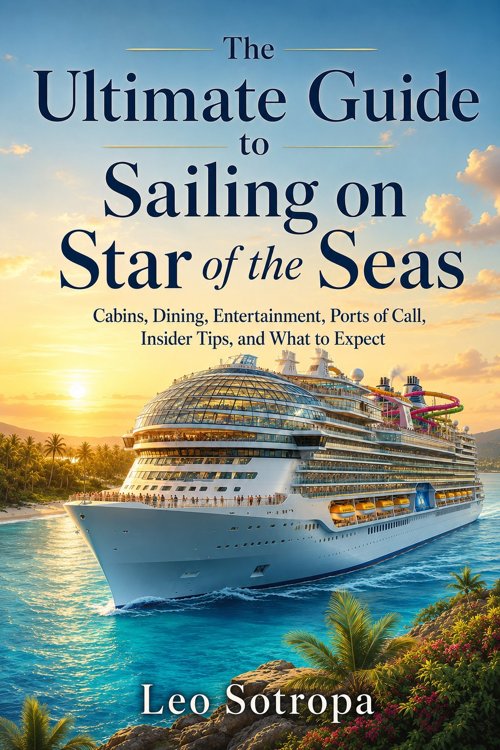
For a step-by-step first cruise, from booking to the final morning, read The Ultimate Guide to Sailing on Star of the Seas. It is part of the Ultimate Ship Guides series by Leo Sotropa, with clear action steps in every chapter so you board knowing the ship like a regular.
Frequently asked questions
Is Star of the Seas good for first-time cruisers?
Yes. It is large, but the neighborhood layout and the app make it easy to find your way, and there is enough variety that first-timers rarely run out of things to do.
Should I choose the Eastern or Western Caribbean itinerary?
Both are 7 nights from Port Canaveral and both visit Perfect Day at CocoCay. Eastern adds San Juan and St. Maarten with more sea days, good for relaxing; Western visits Costa Maya, Roatan, and Cozumel with more port days, good if you like being busy ashore.
How do I get from Orlando to Star of the Seas?
The ship sails from Port Canaveral, about an hour from Orlando’s airport. Rental cars, rideshares, and hotel port shuttles all cover the trip. Arrive at least a day early to protect against travel delays.
What should I do first when I board Star of the Seas?
Have lunch away from the main buffet, explore the neighborhoods while your cabin is being prepared, and confirm your dining and show reservations in the app. Cabins typically open in the early afternoon.
What should I pack in my carry-on for embarkation day?
Swimwear, any medications, a change of clothes, sunscreen, and travel documents. Your checked luggage is delivered to your cabin later in the day, so keep first-afternoon essentials with you.
Do I need a drink or Wi-Fi package?
Not necessarily. There is no free ship-wide Wi-Fi, so internet is a paid plan, and drink packages only pay off past a certain daily volume. Check current prices in the app and buy only if the math fits how you actually travel.
Will I get seasick on Star of the Seas?
Most guests feel very little motion thanks to the ship’s size and stabilizers, especially in the Caribbean. If you are sensitive, choose a low midship cabin and bring a remedy as a precaution.
Ready for the whole ship in one place? It is all in The Ultimate Guide to Sailing on Star of the Seas.
Get the book →
Meet Leo: The Heartbeat Behind ‘A Country A Month’
Journeying through the pages of A Country A Month, you might often feel the rhythm of a storyteller’s heartbeat, pulsating through each line, each image, and each adventure shared. That heartbeat belongs to none other than our remarkable website editor, Leo.
With a lens in one hand and a pen in the other, Leo seamlessly marries his passions for photography and writing. His eye captures moments that words can barely describe, yet his eloquence brings those images to life, transcending borders and connecting us all through shared stories. An avid traveler, every country he’s visited has added another chapter to his expansive tale, and through our platform, he generously shares these chapters with us.